12 Best eSIM Smartphones in 2026
The best eSIM phones of 2026, from iPhone and Samsung to Pixel, Xiaomi and foldables
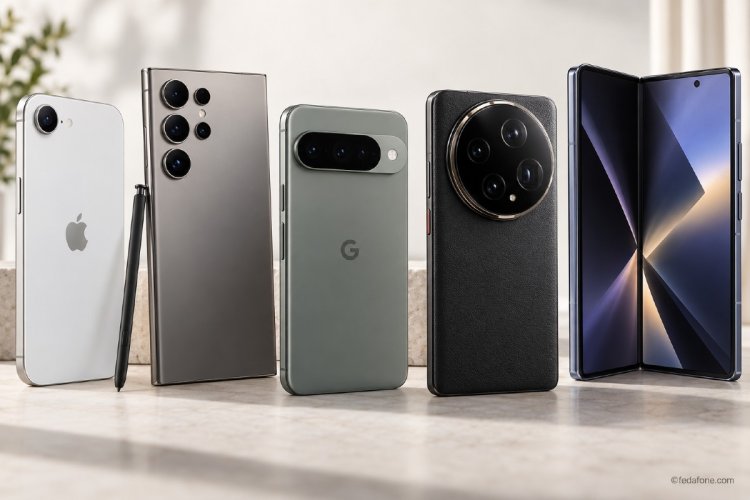
A few years ago, eSIM was still mostly a flagship feature. In 2026, that is no longer the case. Apple, Samsung, Google, Xiaomi, HONOR, OnePlus and Motorola all offer phones with eSIM support, and some models have dropped the physical SIM card entirely.
For travellers, the appeal is obvious. You can keep your main number active for calls and messages while using a separate eSIM for mobile data abroad. There is no need to swap plastic SIM cards or look for a local mobile shop after landing.
There is one important caveat: eSIM support and available SIM combinations can vary by market. European, US and Asian versions of the same phone may not offer exactly the same configuration, so it is worth checking the specifications of the exact model you plan to buy.
We have selected 12 current eSIM smartphones, ranging from relatively affordable models to some of the most ambitious flagships of 2026.
iPhone 18 Pro
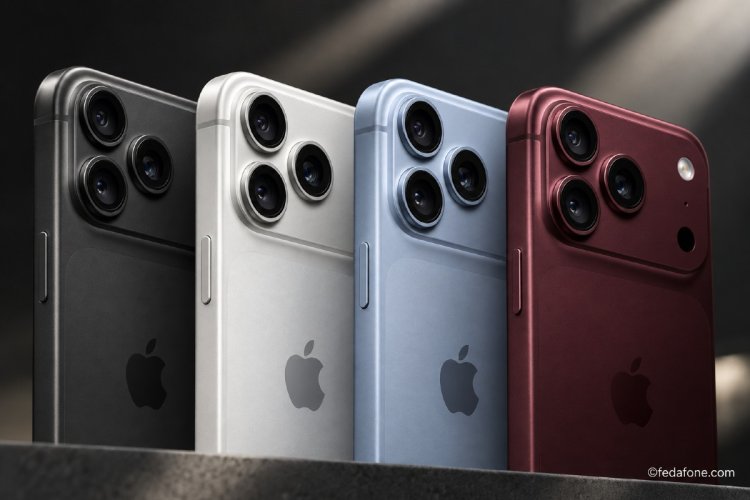
We have already covered the iPhone 18 Pro in detail, but any list of the best eSIM phones would feel incomplete without it.
The headline upgrade is the new 48MP main camera with a variable aperture. It can adjust light intake and depth of field automatically, while more experienced users get additional manual controls for aperture, shutter speed and other shooting parameters. The A20 Pro chip handles performance duties, while a redesigned cooling system helps the phone sustain higher performance for longer under heavy workloads.
eSIM support varies by market. In countries including the US, Canada, Japan and several Middle Eastern markets, the iPhone 18 Pro is sold without support for a physical SIM card. European versions still support nano-SIM alongside eSIM and Dual eSIM.
SIM: nano-SIM + eSIM or Dual eSIM, depending on region.
iPhone Air
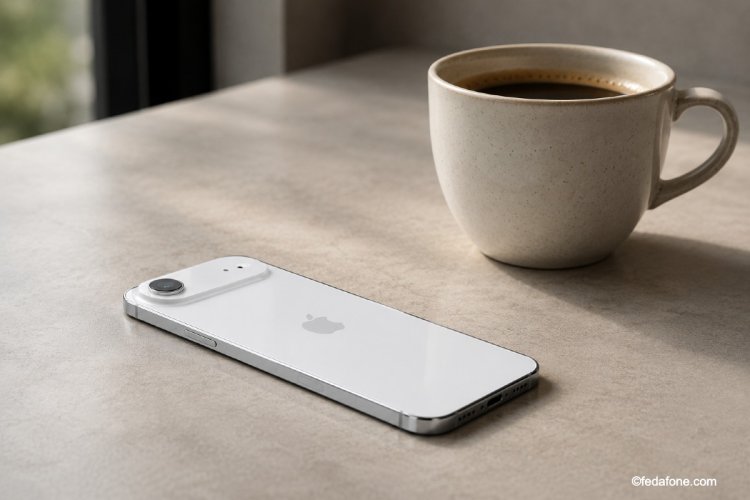
From an eSIM perspective, the iPhone Air is arguably even more interesting than the Pro.
It is an eSIM-only device worldwide. There is no physical SIM support at all, and the phone can store eight or more eSIM profiles while keeping two lines active at the same time.
The Air arrived in 2025 as Apple's thinnest iPhone yet. It measures just 5.6 mm thick and weighs 165 grams, yet still offers a 6.5-inch OLED display with ProMotion up to 120Hz, an A19 Pro chip and a 48MP main camera.
There are compromises. The camera system is simpler than on the Pro, and such a thin body naturally leaves less room for a large battery. But if you want a lightweight iPhone with a large screen and straightforward eSIM support for travel, the Air makes a lot of sense.
SIM: eSIM only, with two active eSIMs at the same time.
iPhone Duo
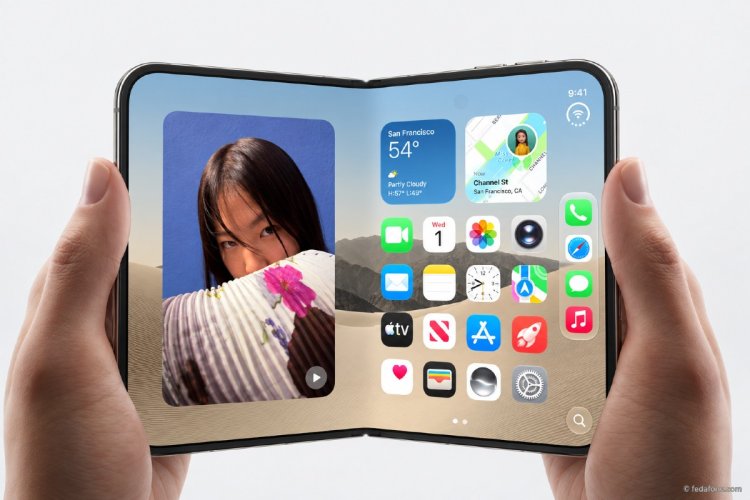
The most unusual iPhone Apple has released in years is also its first foldable.
Closed, the Duo works like a conventional phone with a 5.4-inch outer display. Open it and you get a 7.6-inch internal screen that can handle several apps at once. It runs on the A20 Pro and uses a dual 48MP rear-camera system.
Like the Air, the Duo has gone fully eSIM-only worldwide. Two eSIMs can be active at the same time, while eight or more profiles can be stored on the device. For a foldable, this also has a practical design benefit: removing the hardware required for a physical SIM frees up valuable internal space.
The downside is easy to identify. This is a first-generation product and one of the most expensive iPhones Apple has ever made. The Duo is likely to appeal most to people who genuinely want a foldable screen, rather than anyone simply looking for a new iPhone.
SIM: eSIM only, with two active eSIMs simultaneously.
Samsung Galaxy S26
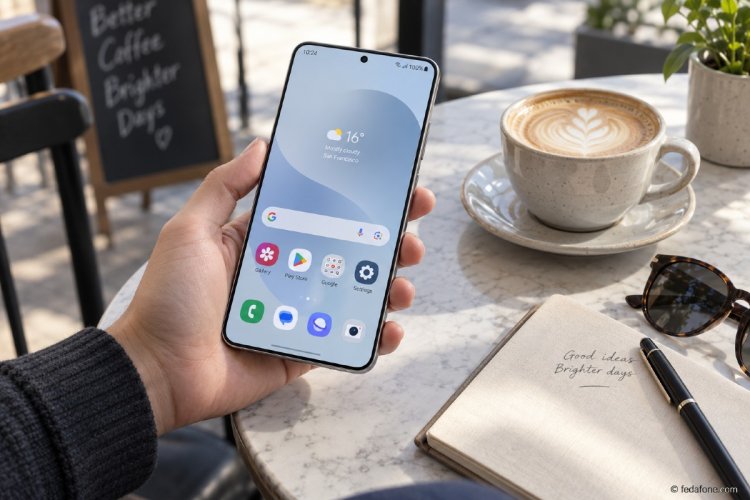
The Galaxy S26 remains one of the easiest Android flagships to recommend.
It has a 6.3-inch Dynamic AMOLED 2X display with a 120Hz refresh rate, 12GB of RAM and a triple-camera system built around a 50MP main sensor, 3x optical zoom and an ultrawide camera. Despite the flagship hardware, it weighs just 167 grams.
Samsung also offers more flexibility with SIM configurations than many competitors. The European Galaxy S26 can use two physical SIMs, a physical SIM plus eSIM, or two eSIMs at once. For frequent travellers who regularly switch between countries and operators, that flexibility is genuinely useful.
SIM: nano-SIM + nano-SIM, nano-SIM + eSIM, or Dual eSIM.
Samsung Galaxy S26 Ultra
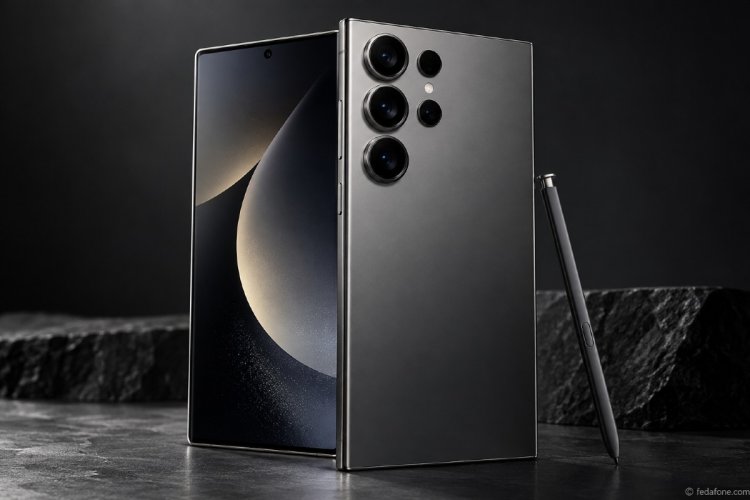
The Galaxy S26 Ultra is for anyone who wants as much as possible from an Android phone.
It is a large 6.9-inch flagship with a QHD+ AMOLED display, S Pen support and one of the most ambitious camera systems in the Android market. The main sensor is 200MP, joined by two 50MP modules and a 10MP telephoto camera. Optical zoom is available at 3x and 5x, while digital zoom reaches up to 100x.
At 214 grams and with a sizeable body, compactness is clearly not the priority here. In return, the Ultra can cover several roles at once: phone, camera and even a small digital notebook thanks to the built-in S Pen.
Its SIM options mirror those of the standard S26 in Europe, including Dual eSIM support.
SIM: nano-SIM + nano-SIM, nano-SIM + eSIM, or Dual eSIM.
Samsung Galaxy Z Fold7
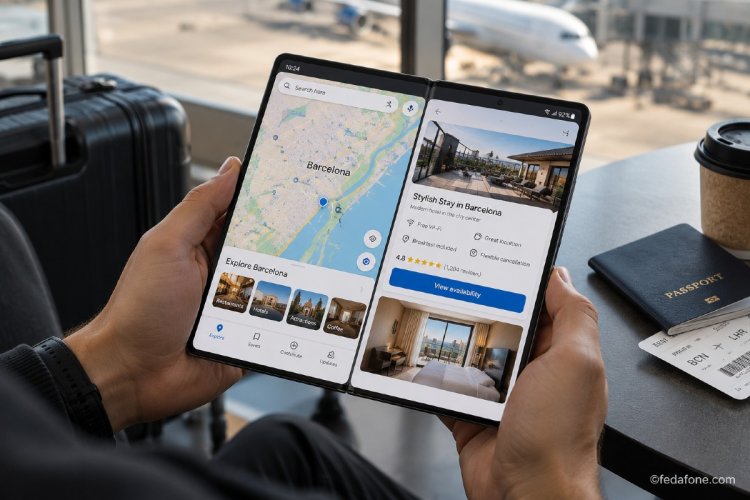
Apple may only just be entering the foldable market, but Samsung has been refining the format for years.
The Galaxy Z Fold7 opens into an 8-inch tablet-like display, while the outside features a fully usable 6.5-inch screen. Samsung has also managed to make the device noticeably thinner than previous generations, at 4.2 mm when open and 8.9 mm when folded.
The camera has received a serious upgrade too, with a 200MP main sensor. The large internal display is particularly useful when travelling, especially if you need to keep Maps, email, documents or several apps open at once.
European versions support physical SIMs, eSIM and two active eSIMs.
SIM: nano-SIM + nano-SIM, nano-SIM + eSIM, or Dual eSIM.
Google Pixel 10 Pro
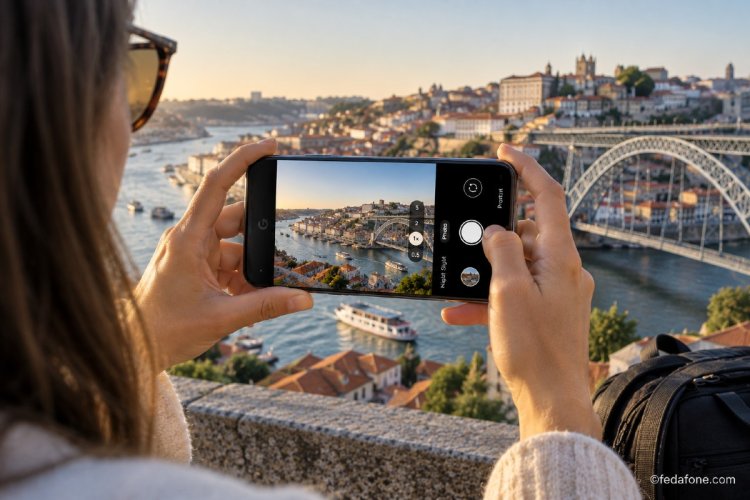
Pixel phones have always been less about the number of cameras and more about what Google does with the images they capture.
The Pixel 10 Pro uses a 50MP main camera, a 48MP ultrawide and a 48MP telephoto with 5x optical zoom. Pro Res Zoom supports magnification up to 100x. Inside, you get Google's Tensor G5 chip and 16GB of RAM.
The Pixel 10 Pro also remains relatively compact for a flagship. Its 6.3-inch display makes it easier to use every day than many oversized Pro models, while the refresh rate reaches 120Hz.
The European version supports nano-SIM and eSIM. In the US, the Pixel 10 Pro is sold as an eSIM-only model, so the region matters if you are buying an imported device.
SIM: nano-SIM + eSIM in Europe; configuration varies by market.
Google Pixel 10a
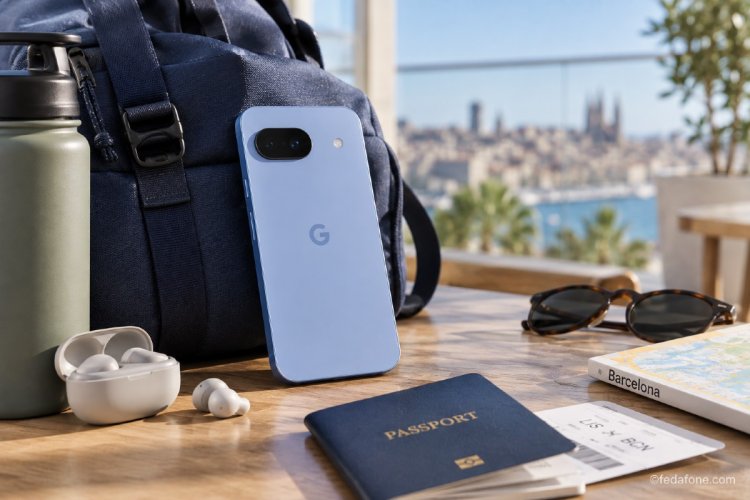
You do not need to spend more than €1,000 to get a phone with eSIM.
The Pixel 10a is aimed at a much more approachable price bracket. It has a 6.3-inch pOLED display with a refresh rate of up to 120Hz, a Tensor G4 chip, a 5,100mAh battery and a dual-camera system with a 48MP main camera and 13MP ultrawide. Google rates it for more than 30 hours of typical battery life.
It is not a camera flagship on the level of the Pixel 10 Pro, nor is it built for serious gaming. But the core Pixel strengths remain: strong computational photography, a clean Android experience and Google's software features.
The European version supports both a physical nano-SIM and eSIM.
SIM: nano-SIM + eSIM.
OnePlus 15
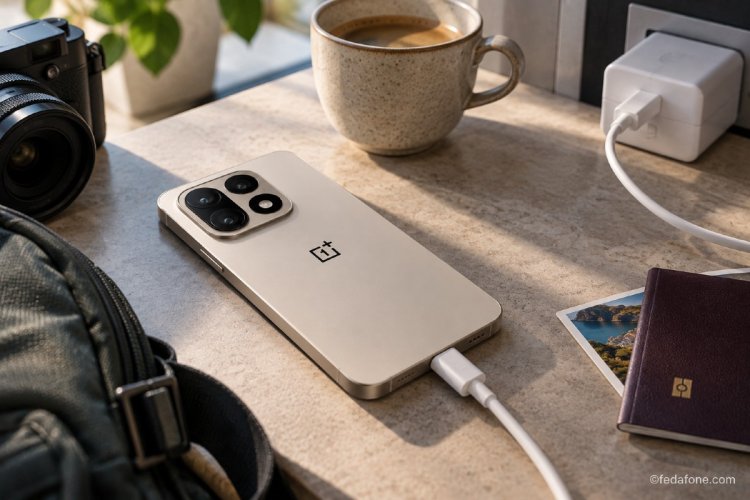
The OnePlus 15 stands out in this list primarily because of its battery.
Capacity is an impressive 7,300mAh, while wired charging reaches 120W. OnePlus claims a full charge takes around 39 minutes. For a phone that may spend all day running navigation, camera apps and hotspot duties, that is a major advantage.
The display supports refresh rates up to 165Hz, the phone is powered by Snapdragon 8 Elite Gen 5, and the rear camera system uses three 50MP sensors.
OnePlus officially supports Dual eSIM. Some versions also include two physical nano-SIM slots, giving users more flexibility than most competing flagships.
SIM: Dual eSIM; some versions also support two nano-SIM cards.
Motorola Razr Ultra
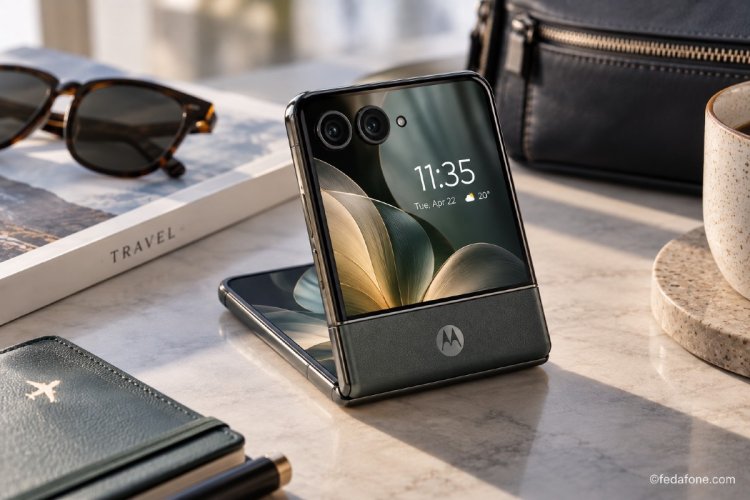
Flip-style foldables have one obvious advantage when travelling: they take up very little space when closed.
The Motorola Razr Ultra is one of the most practical phones in this category. It slips easily into a small pocket or bag, while the outer display handles many everyday tasks without requiring you to open the phone.
The device combines an internal OLED display of around 7 inches with a full 4-inch external screen. The latest version uses Snapdragon 8 Elite, 16GB of RAM and a 4,700mAh battery. Both displays support refresh rates up to 165Hz.
Motorola supports eSIM alongside a physical SIM, although availability depends on the exact version and carrier. This is one of those models where checking the region before buying is especially important.
SIM: physical SIM + eSIM; capabilities may vary by market.
HONOR Magic8 Pro
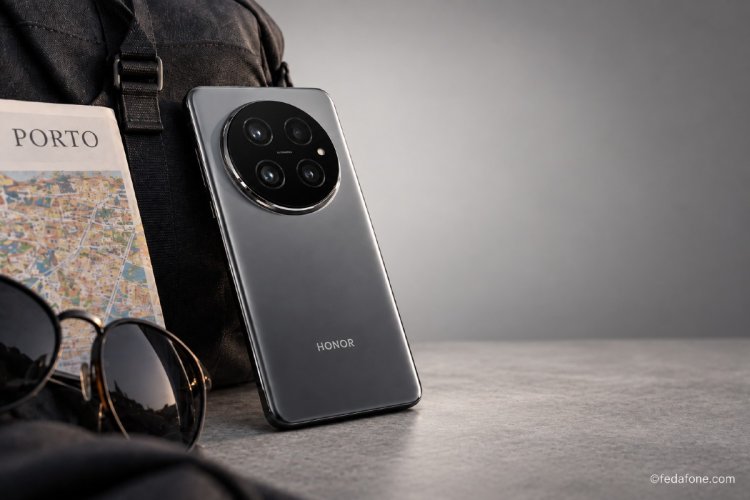
The Magic8 Pro shows that HONOR is now competing seriously with Samsung and Xiaomi, particularly when camera performance and battery life matter.
It uses the Snapdragon 8 Elite Gen 5, packs a 6,270mAh battery and features a 200MP telephoto camera designed with night photography and stabilisation in mind.
HONOR officially lists the Magic8 Pro among its eSIM-compatible devices. The company also notes, however, that support can depend on the country of origin. An imported model may therefore differ from the version officially sold in Europe.
The Magic8 Pro is a strong option for travel, but imported units are worth checking carefully before purchase.
SIM: eSIM supported; configuration varies by region.
Xiaomi 17 Ultra
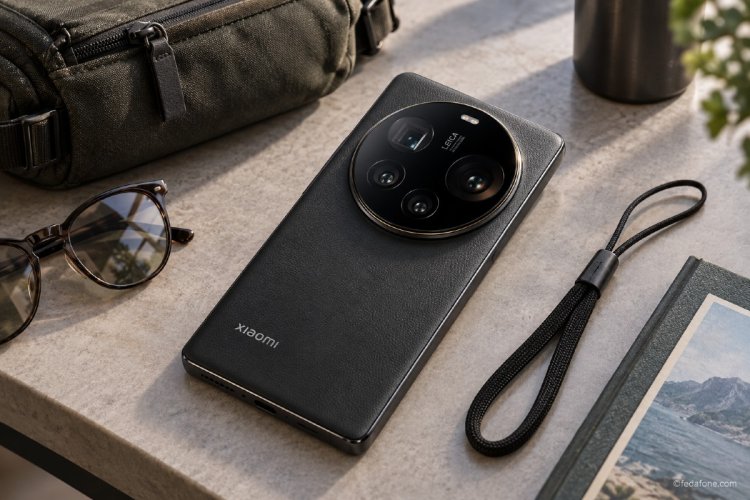
We finish with one of the most technically ambitious Android flagships of 2026.
The Xiaomi 17 Ultra continues the company's partnership with Leica and places a strong emphasis on photography. It uses a large 1-inch main sensor and a 200MP telephoto camera with mechanical optical zoom covering the 75-100 mm range. Inside is Snapdragon 8 Elite Gen 5, while the battery is rated at 6,000mAh. Wired charging reaches 90W, with wireless charging up to 50W.
Xiaomi has also made a significant step forward with eSIM. The European specification supports three Dual SIM combinations: two nano-SIM cards, nano-SIM + eSIM, or two eSIMs. The company does warn that exact combinations may vary by region.
For frequent travellers, the ability to use Dual eSIM makes the 17 Ultra particularly appealing. Physical SIM support remains available too, so there is no need to switch entirely to a digital setup.
SIM: nano-SIM + nano-SIM, nano-SIM + eSIM, or Dual eSIM in supported regions.
Which eSIM Phone Should You Choose?
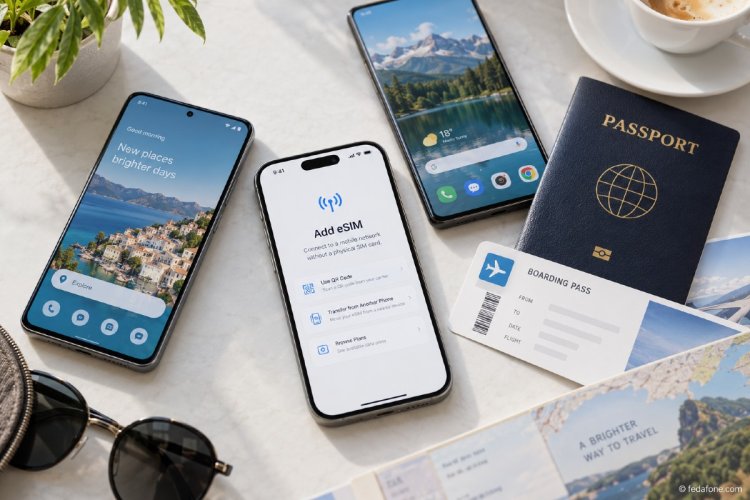
There is no single answer.
If you are already invested in Apple's ecosystem, the iPhone 18 Pro remains the most obvious choice. The iPhone Air is more appealing if you want to move completely away from physical SIM cards, while the iPhone Duo only really makes sense if the foldable screen is something you genuinely plan to use.
On Android, the Galaxy S26 is one of the most balanced options. If camera performance is the priority, it is worth comparing the Pixel 10 Pro, Galaxy S26 Ultra, HONOR Magic8 Pro and Xiaomi 17 Ultra. The OnePlus 15 stands out for battery life, while the Pixel 10a gives you eSIM without requiring flagship-level spending.
Foldables deserve their own category. The Galaxy Z Fold7 is closer to a small tablet, while the Motorola Razr Ultra takes the opposite approach by making a large-screen phone much easier to carry.
For eSIM, however, the most important detail is not always the model name. It is the specific regional version. Before buying a phone abroad or through a marketplace, check whether that exact device supports eSIM and which two lines can be active simultaneously.
Travelling with a fedafone eSIM
A compatible smartphone lets you install an eSIM before you leave home. Your main number can stay active for calls and messages, while mobile data is handled by a separate fedafone travel plan.
For a trip to one country, a local eSIM is usually the simplest option. If your itinerary covers several destinations, a regional plan can be more convenient. Once installed, the profile remains on the phone, so there is no need to swap physical SIM cards when crossing borders.
This is especially useful on phones with Dual eSIM, where your regular number and travel eSIM can remain active at the same time.
One rule is still worth remembering: always check eSIM support for the exact regional version of the phone you are buying. The same model sold in Europe, the US or Asia may use a different SIM configuration.