Where to Travel in Fall 2026: 15 Best Destinations Around the World
15 destinations to explore this fall.
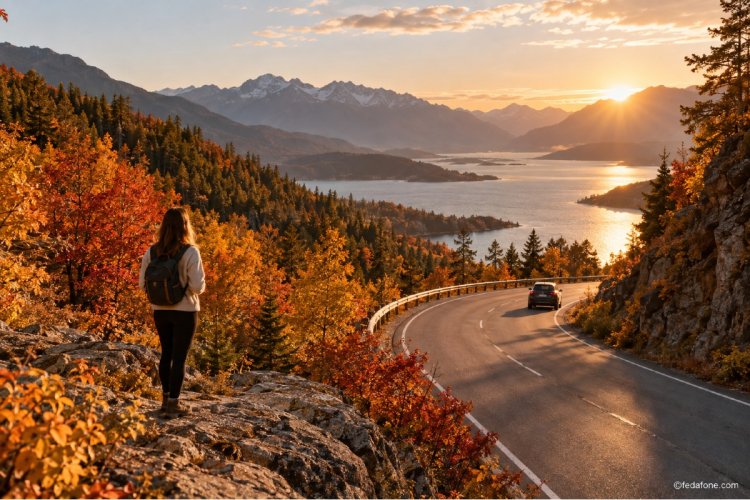
Fall looks very different depending on where you are in the world. In Japan and South Korea, maples slowly turn red. In Canada, forests glow gold and crimson for a few short weeks. Around the Mediterranean, the summer heat begins to fade, while in parts of the Middle East the weather finally becomes comfortable enough for long days outdoors.
Elsewhere, the season is moving in the opposite direction. In South Africa, Argentina and Brazil, spring is beginning, the days are getting longer and warmer weather is gradually returning.
That is why a trip between September and November is worth planning around much more than temperature alone. In some places, fall marks the start of trekking season. In others, it brings harvest time, quieter roads and ideal conditions for long journeys inland. And in some parts of the world, these months simply make it easier to explore without the heat and crowds of peak summer.
We have selected 15 destinations around the world where fall becomes one of the most rewarding times of year to travel.
Japan - The Season of Red Maples
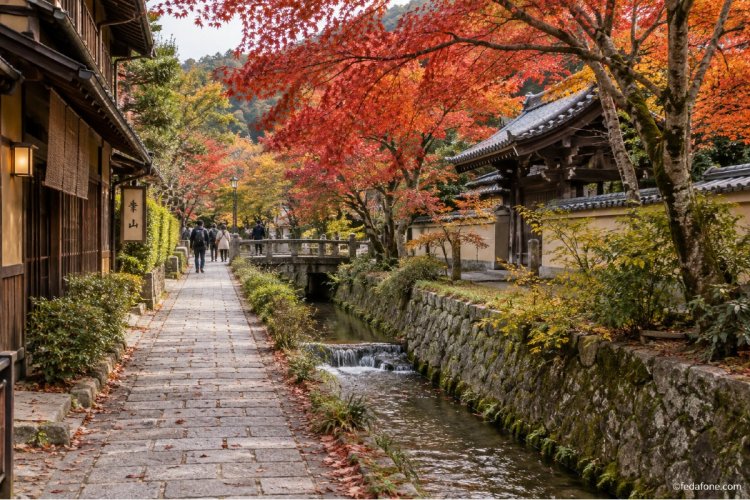
Spring in Japan may be famous for cherry blossom, but fall can be every bit as striking.
The change begins in the north and in the mountains before gradually moving towards the central regions. By November, red and golden maples are part of the landscape in city parks, temple gardens and the forests surrounding Kyoto.
For a first visit, the classic route through Tokyo, Kyoto and Osaka still works beautifully, with a few extra days in Nikko or one of the mountain regions. Kyoto is particularly rewarding at this time of year, when familiar gardens and temple grounds slowly shift from deep green to shades of red, orange and gold.
Autumn also makes travelling around Japan more comfortable in general. After the humid summer, it becomes much easier to walk for hours, travel between cities and spend whole days outside.
South Korea - Mountains, Cities and a Short Golden Season
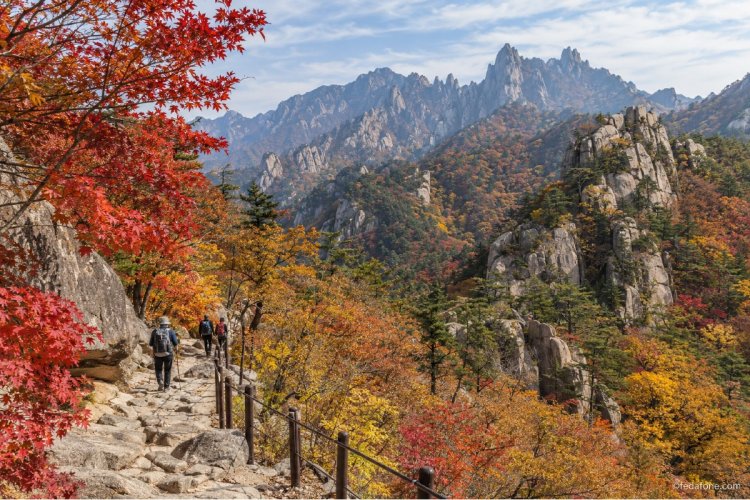
Autumn in South Korea is noticeably shorter than in much of Europe, which makes timing especially important.
During October and early November, the national parks gradually change colour. Seoraksan, in the northeast of the country, is one of the best-known places to see the season, with mountain slopes covered in red and yellow forest.
Seoul is also especially pleasant in autumn. The air becomes cooler, but the weather is still mild enough for long walks along the Han River, through palace grounds and around the city's older neighbourhoods.
If you have more than a week, Seoul can be combined with Busan, Gyeongju or several days in the mountains. The result is a trip in which autumn becomes part of the route itself rather than just a backdrop to the capital.
Canada - A Few Weeks of True Fall Colour
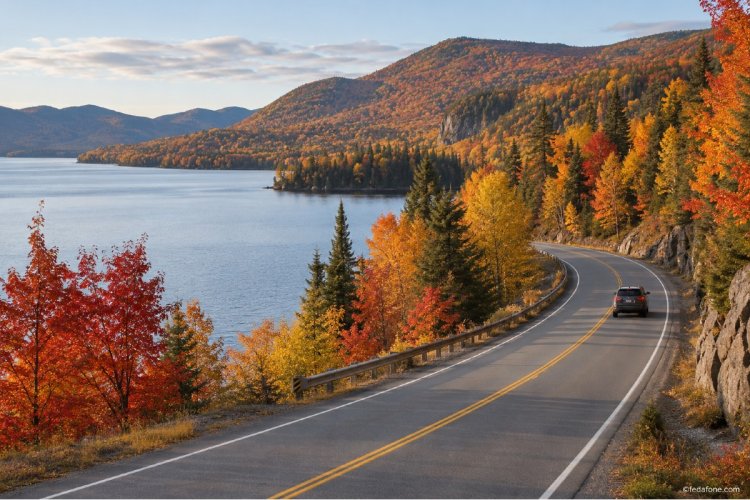
Autumn in Canada passes quickly, which makes choosing the right dates especially important. By late September, the forests of Quebec and Ontario begin to change, and in October the roads between small towns, lakes and national parks become part of the experience in their own right.
One beautiful route begins in Montreal before continuing towards Quebec City and then along the St Lawrence River, with several days set aside for smaller towns and natural areas along the way. Ontario offers a different version of the season, combining Toronto, Niagara and the lake and forest regions north of the city, where urban landscapes give way surprisingly quickly to open countryside.
By the middle of autumn, temperatures drop noticeably, so it is usually better to choose one region and enjoy a few well-timed days than to try to cover too much of the country in a single trip.
United States - Autumn in New England
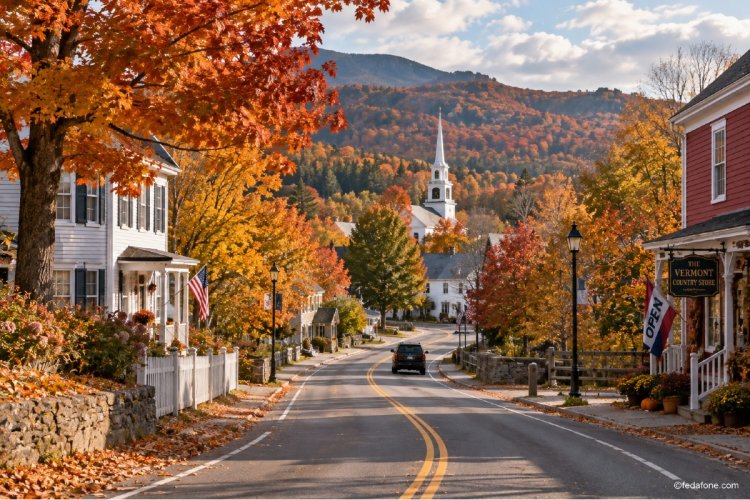
The northeastern United States changes dramatically in fall. Once you leave Boston and head north, major highways gradually give way to smaller roads through Vermont, New Hampshire and Maine, where old towns, farms and wooden houses appear between stretches of forest.
In October, the route becomes particularly striking as hillsides turn red, copper and gold. The road itself becomes part of the journey, and there is little reason to hurry. Small towns, independent inns and unplanned detours to lakes, farms and quiet back roads are often what make the trip memorable.
If time allows, continue all the way to the coast of Maine, where autumn forest reaches almost to the Atlantic and the inland landscapes of New England gradually give way to rocky coves and cold ocean water.
Italy - Tuscany After Summer
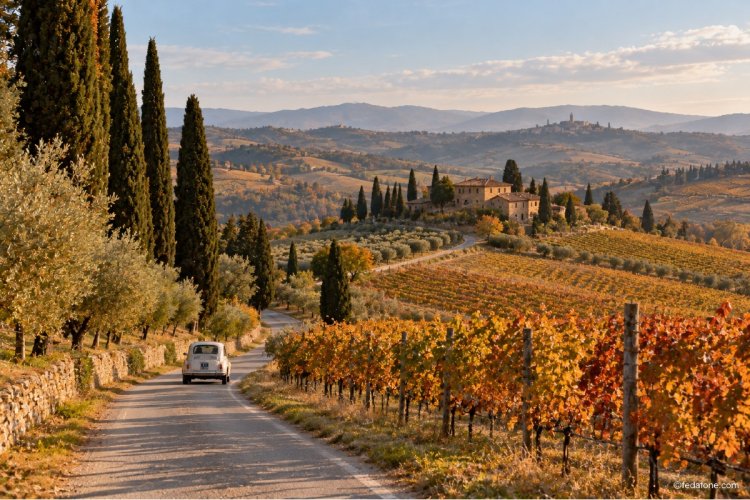
Italy gradually changes pace in autumn. The summer rush disappears, coastal towns become quieter, and inland regions enter the season of harvests, slower journeys and long days built around food, wine and the landscape.
Tuscany is particularly well suited to a road trip at this time of year. Between Florence, Siena and the smaller hill towns, roads pass vineyards, olive groves and rolling countryside that takes on warmer golden and copper tones by October. Along the way, it is easy to stop in small towns, wineries and country estates without planning every hour in advance.
September still carries much of the feeling of summer, while October is better suited to cities and food-focused routes. By November, temperatures are cooler and rain becomes more frequent, but many popular places are noticeably less crowded.
If you have enough time, Tuscany combines naturally with Umbria or a few days in Rome, without turning the trip into an attempt to see all of Italy in a single week.
Portugal - The Douro Valley and the North
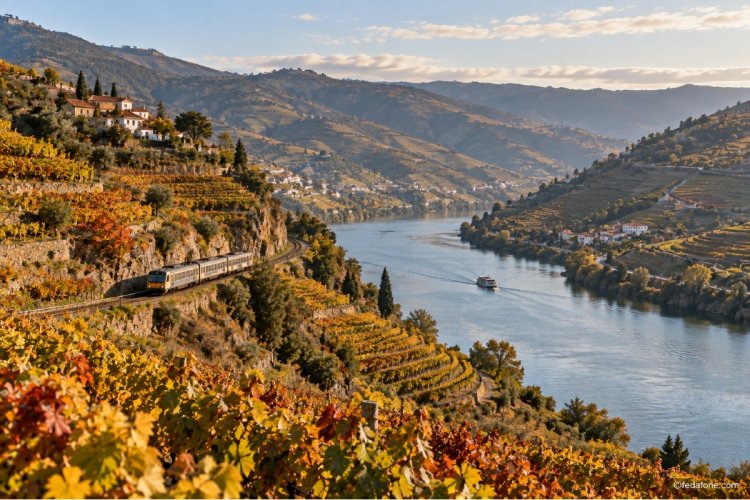
After the heat of August, northern Portugal gradually becomes quieter, and the beginning of autumn is one of the most pleasant times to explore the region by car.
In the Douro Valley, September coincides with the grape harvest. Terraced vineyards dominate the slopes above the river, while roads pass small villages, wine estates and viewpoints where the valley seems to change with every bend.
Porto makes an easy starting point. From there, the route can follow the river inland, with one or two nights spent in smaller towns and wine-growing areas rather than treating the valley as a series of brief stops.
October is cooler but still comfortable for walking and driving, while rain becomes more frequent towards November. For that reason, early autumn is particularly well suited to exploring northern Portugal and the Douro.
Turkey - Cappadocia Without the Summer Heat
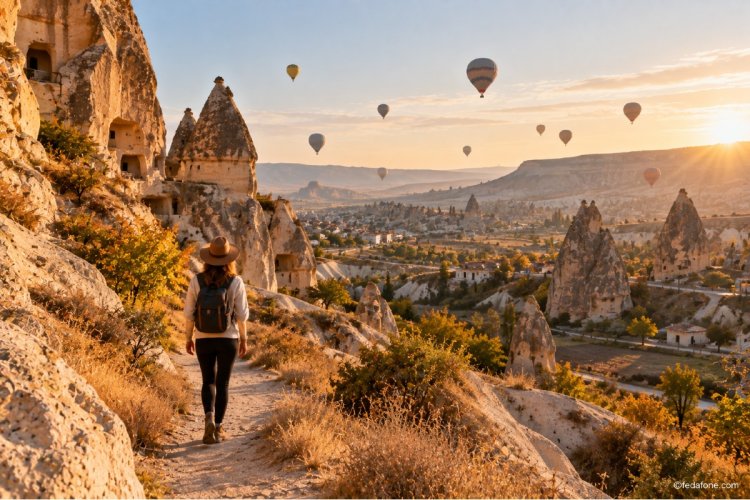
Autumn is a good time to travel inland in Turkey, when the coast no longer takes all the attention.
In Cappadocia, September and October are well suited to long walks through the valleys, drives between small towns and early mornings at viewpoints where the changing light reveals the shape of the rock formations and plateaus.
In summer, the open landscape heats up quickly and much of the day has to be planned around the strongest sun. Autumn makes this easier. You can stay outside longer, walk more and spend time beyond the busiest viewpoints.
A few days in Cappadocia can be combined with Istanbul, and in September it is still possible to add the southern coast, where the sea remains warm enough for swimming.
Morocco - From Old Cities to the Atlas and the Desert
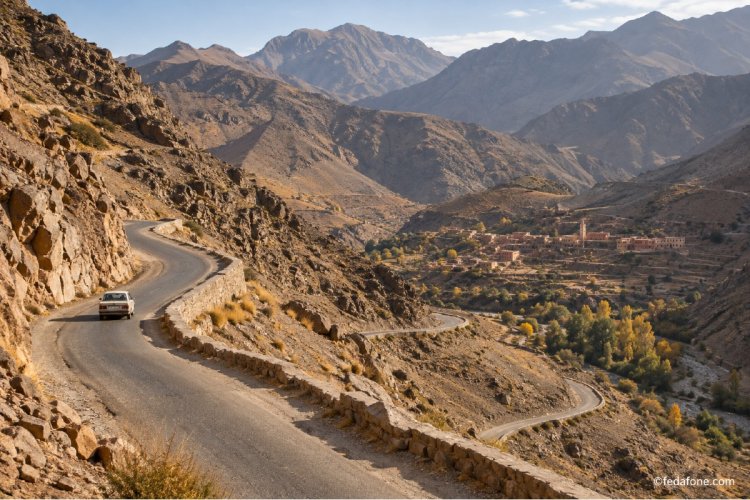
Autumn gradually makes Morocco easier to explore on a longer journey, especially if you want to see more than the coast.
Marrakech remains warm and busy, but by October walking through the medina, markets and old neighbourhoods is far more comfortable than at the height of summer. From here, the road climbs towards the High Atlas, where dense city streets give way within a few hours to winding mountain roads, stone villages and dry highland scenery.
The journey can continue towards Ouarzazate and the valleys further south, gradually approaching the desert regions. Distances here can be deceptive. A short stretch on the map may take hours once the road begins to wind over mountain passes.
After the mountains and desert, the Atlantic makes a natural final stop. Essaouira is ideal for a few slower days among whitewashed houses, ocean wind and the old harbour, while Agadir offers a more traditional stay by the sea.
September can still be very hot in the south, so October and November are often better suited to a longer route involving plenty of driving and time outdoors.
Jordan - The Road South
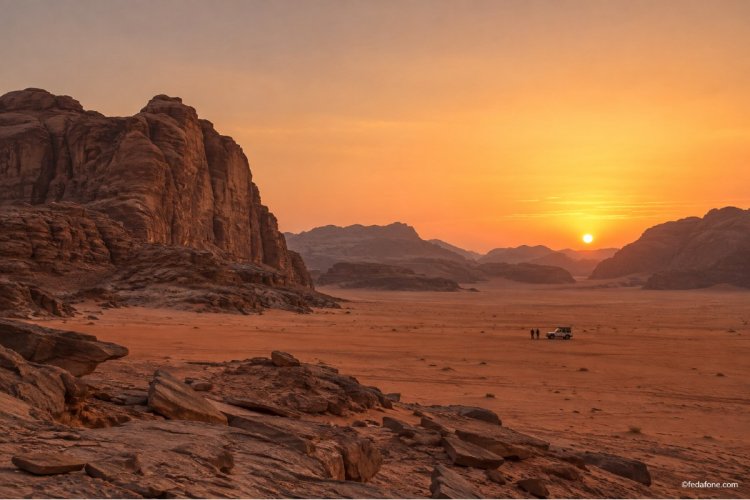
Jordan works particularly well as a journey that gradually unfolds as you travel south.
Amman is usually the first stop, but within a few days the urban rhythm gives way to a completely different landscape. The main road leads towards Petra, which deserves at least a full day rather than a rushed visit. If time allows, a second day gives you the chance to move beyond the main path and explore the ancient city at a slower pace.
From Petra, the road continues to Wadi Rum. Towns and greenery almost disappear, replaced by red sand, high cliffs and broad desert valleys. The landscape is at its most expressive early in the morning and towards sunset, when the harsh midday light softens and the rock formations become more defined.
The route can end in Aqaba on the Red Sea. After several days of stone and desert, the change in landscape feels especially dramatic.
Summer temperatures make this journey demanding, while autumn allows much more time outdoors. Evenings in the desert do become cooler as November approaches, so the difference between day and night becomes increasingly noticeable.
Oman - A Country Best Seen from the Road
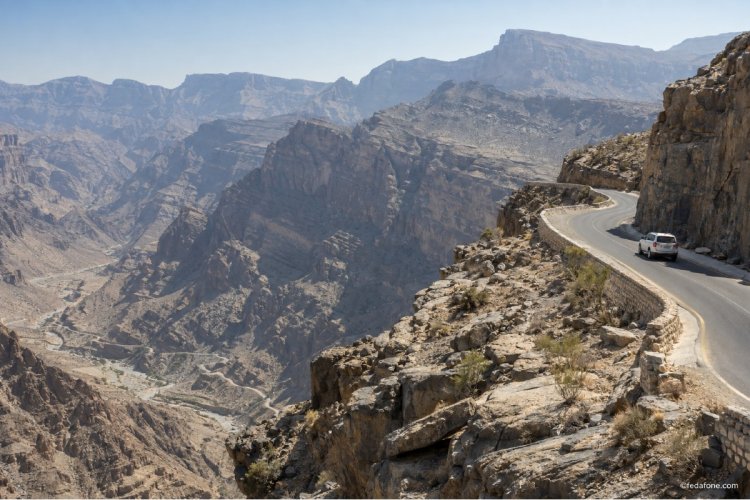
Autumn is when Oman finally becomes comfortable enough to explore without constantly adjusting plans around the heat.
Muscat is a natural starting point, but much of the country's most interesting scenery lies beyond the capital. Within a few hours of leaving the coast, the landscape shifts to dry mountains, deep canyons and small settlements where modern roads pass close to old stone houses.
One of the most rewarding routes runs through Nizwa towards Jebel Akhdar and Jebel Shams. The road climbs steadily higher as the landscape becomes increasingly rocky, with villages, mountain terraces and viewpoints over deep canyons appearing along the way.
Oman is easiest to understand from a car, because the scale of the country becomes clearest between the cities. A single day can begin by the sea, pass through the mountains and finish in an entirely different landscape.
September is still hot, but October and especially November are much more comfortable for long drives, walking and spending time outdoors.
Egypt - Between the Nile and the Red Sea
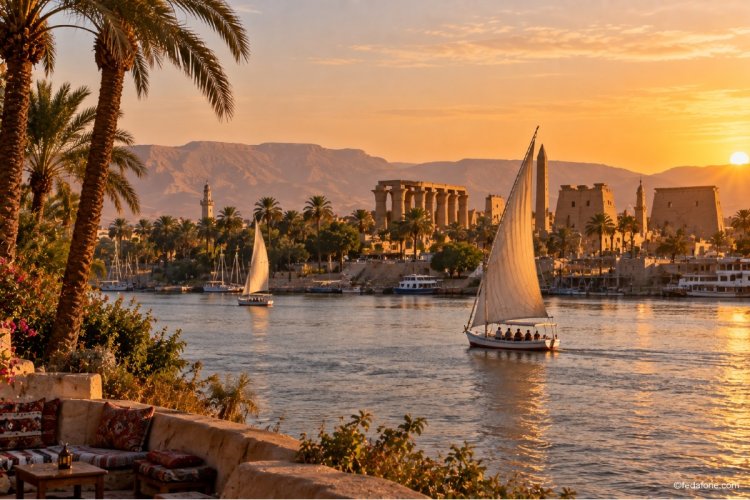
Autumn gradually makes Egypt more interesting for travellers who want to go beyond the resort areas.
In September, the Red Sea remains very warm and Hurghada and Sharm El Sheikh still feel like full summer. As the heat begins to ease, however, it becomes much easier to build a longer itinerary through the country.
From Hurghada, you can travel to Luxor, where much of the day is spent outdoors among temples, tombs and archaeological sites. Autumn makes these visits considerably more comfortable than they are in midsummer. Another option is to begin in Cairo and continue south along the Nile.
One of the most interesting aspects of a longer Egypt itinerary is the contrast between its landscapes: busy cities, ancient monuments, the green banks of the Nile and the Red Sea can all form part of the same journey.
October and November are particularly well suited to this kind of trip, when daytime temperatures allow much more time away from the hotel.
Nepal - Clear Skies After the Monsoon
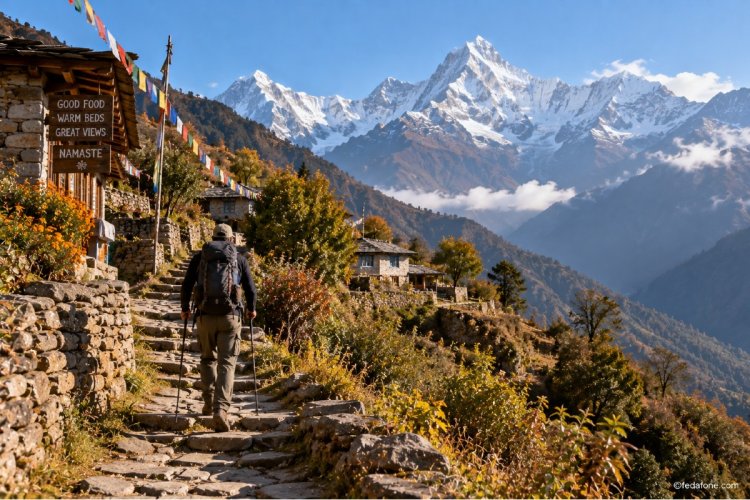
Autumn in Nepal begins with a noticeable change in the weather. The summer monsoon gradually retreats, the air becomes drier and clear skies return more frequently to the mountain regions.
That is why October and November are considered among the main trekking months in the Himalayas. Long-distance trails reopen around Annapurna and Everest, while the valleys remain green after the summer rains.
A trip to Nepal does not have to revolve around a multi-day trek. A few days in Kathmandu can be followed by Pokhara and shorter walks with views towards the high mountains. For a first visit, this can be enough to experience the contrast between the busy capital, quieter towns and the Himalayan landscape.
For longer treks, the route needs more preparation, with altitude, weather and extra days all taken into account. But even without a demanding expedition, autumn offers some of the clearest conditions of the year for seeing the mountains.
Vietnam - Autumn on the Roads of the North
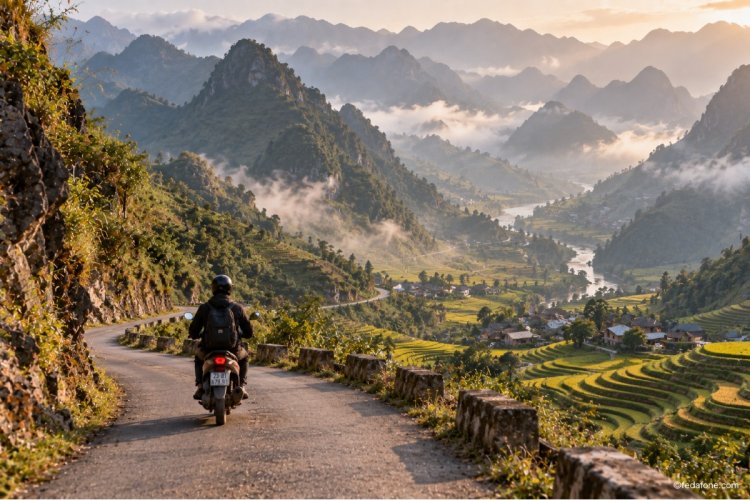
Northern Vietnam gradually moves beyond the hottest and most humid part of the year during autumn.
In Hanoi, it becomes easier to spend entire days outside, while beyond the capital the journey changes completely, with mountain roads, rice terraces and small settlements taking over from the city.
Sapa remains the best-known destination, but for a longer journey it is worth looking towards Ha Giang. Roads here climb through mountain passes, cross deep valleys and pass small villages where distance is often better measured in travel time than kilometres.
In September, rice terraces in some regions begin to turn golden, while October brings cooler and drier conditions. Vietnam is far too long from north to south for one seasonal forecast to apply everywhere, so an autumn itinerary is best built specifically around the northern regions.
A few days in Hanoi make a natural beginning before gradually heading into the mountains and leaving the larger cities behind.
South Africa - When Spring Reaches the Ocean
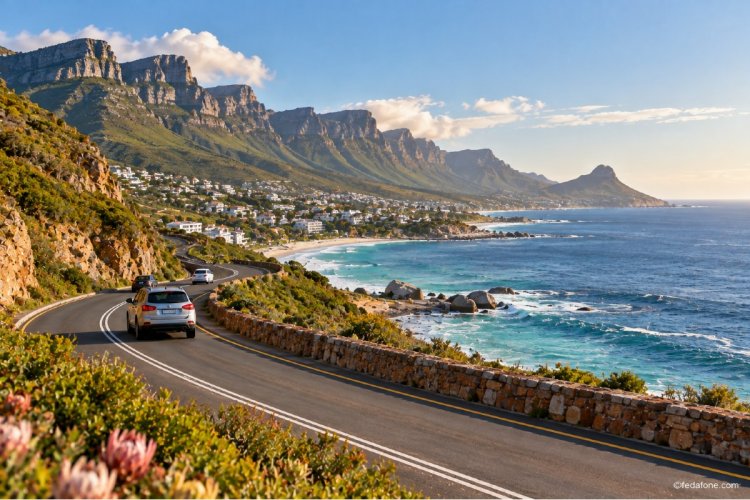
While autumn begins in the Northern Hemisphere, spring slowly arrives in South Africa.
In Cape Town, the days become longer, fresh green returns to the hillsides and the landscapes around the city look especially vivid after the winter rains. September weather can still change quickly, but by October long sunny days become more frequent.
Cape Town makes an excellent starting point for a road trip. One day can be spent around the Cape Peninsula, another along the Atlantic coast, before heading towards Stellenbosch and Franschhoek, where the city gives way to vineyards and small valleys.
With more time, the journey can continue east along the Garden Route. Here, the road moves between the ocean, forests, nature reserves and small coastal towns, making the journey itself just as important as the stops along the way.
By November, temperatures are warmer, although spring still feels milder than the height of the South African summer.
Argentina - Spring on the Other Side of the World
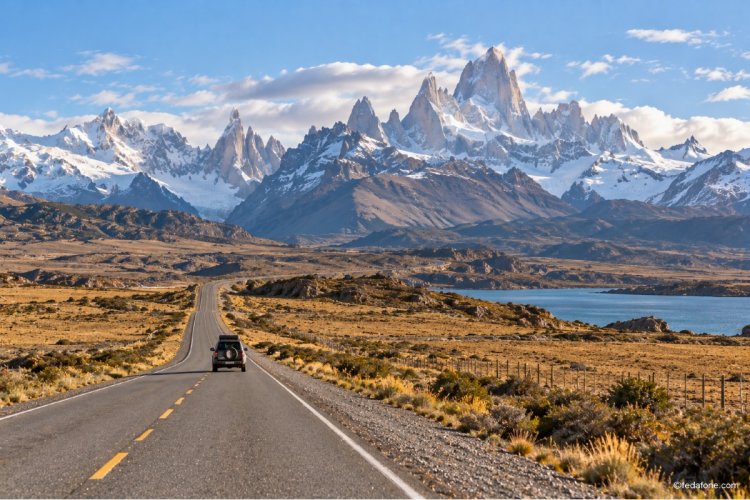
As autumn settles over Europe, Argentina is only beginning its spring, and the season feels very different depending on where you are in the country.
Buenos Aires gradually becomes warmer, trees return to green and life moves back onto outdoor terraces, parks and long evening walks. From the capital alone, the contrast with a European autumn is immediately obvious.
Further south, the season arrives more slowly. In Patagonia, spring comes later, and even in November strong winds, sudden temperature changes and snow in the mountains are still possible. But this is also when the new season for hiking and road trips begins.
Argentina requires careful planning because of its enormous distances. Buenos Aires, Mendoza and Patagonia are so far apart that trying to combine all of them in a short trip usually means spending too much time in airports.
It is far more rewarding to choose one or two regions and give them enough time, rather than turning the journey into a constant race between flights.
Brazil - Spring on the Atlantic

September marks the beginning of spring in Brazil, although in a country this large the season looks very different from one region to another.
Rio de Janeiro gradually becomes warmer, but the heaviest summer heat is still ahead. Days can be divided between the beach, walks through the city and viewpoints above the coast, while evenings are perfect for staying by the ocean as the promenades become busier.
If you want to continue along the coast, Rio makes a good starting point for a route through smaller towns and beaches within the state. The northeast follows very different climate patterns, and in many areas the sea remains a year-round part of travel.
Brazil is too large to try to see in one trip. Choosing a single region and exploring it slowly usually makes far more sense, leaving time for both the major cities and several quieter days by the Atlantic.
Spring works particularly well for this kind of route because warmer weather has already returned while the peak of the local summer season is still ahead.
How to Choose a Fall Destination
If you want classic autumn colours, Japan, South Korea, Canada and the northeastern United States are the obvious places to look. In these regions, the season is closely tied to changing foliage, so the exact dates of the trip matter.
For road trips and milder weather, Italy, Portugal, Turkey and Morocco are strong choices. Early autumn still carries some of the warmth of summer, while by October inland travel becomes considerably more comfortable.
Jordan, Oman and Egypt become especially appealing from the middle to the end of autumn, as the summer heat begins to retreat.
Nepal and northern Vietnam are worth considering for mountains and active travel, while South Africa, Argentina and Brazil offer the opposite seasonal picture, with spring beginning just as autumn arrives in the Northern Hemisphere.
September, October and November cannot really be treated as one uniform travel season. In some places, earlier is better, while in others November is considerably more comfortable than September.
Mobile Internet for a Fall Trip
Autumn itineraries often include several cities, road trips and journeys between regions, so mobile internet is useful far beyond the airport or hotel.
Maps, tickets, bookings, transport schedules and communication with accommodation are much easier to manage when they remain available throughout the journey.
A fedafone eSIM can be installed before departure while keeping your main SIM card in the phone. For a trip within one country, you can choose a local plan, while a regional eSIM may be more convenient for an itinerary covering several countries.
Frequently Asked Questions
Where is the best place to travel in fall 2026?
For autumn foliage, consider Japan, South Korea, Canada and New England in the United States. For warmer weather and road trips, Italy, Portugal, Turkey, Morocco, Jordan and Oman are all good options.
Where should I travel in September?
Portugal, Italy, Turkey, northern Vietnam, Nepal and South Africa are all worth considering in September. Around the Mediterranean, summer weather often continues well into the month.
Where should I travel in October?
October is particularly good for Japan, South Korea, Canada, Morocco, Jordan, Oman and Nepal. In many of these destinations, the middle of autumn brings some of the most comfortable conditions for travelling.
Where should I travel in November?
In November, consider Japan, Oman, Egypt, Jordan, Nepal, South Africa and Argentina. In the Southern Hemisphere, spring is already well underway.
Where is it warm in fall?
Warm weather can still be found in Egypt, Oman, Jordan, Morocco and parts of Turkey. In the Southern Hemisphere, temperatures are rising in South Africa, Argentina and Brazil.
Where can I see the best fall colours?
Japan, South Korea, eastern Canada and New England in the United States are among the best-known destinations for autumn foliage. Peak colour depends on the region, elevation and exact dates of travel.