Where Your Phone Can Be Blocked by IMEI After a Long Stay
Where foreign phones need to be registered by IMEI, and what happens if you do not complete the registration
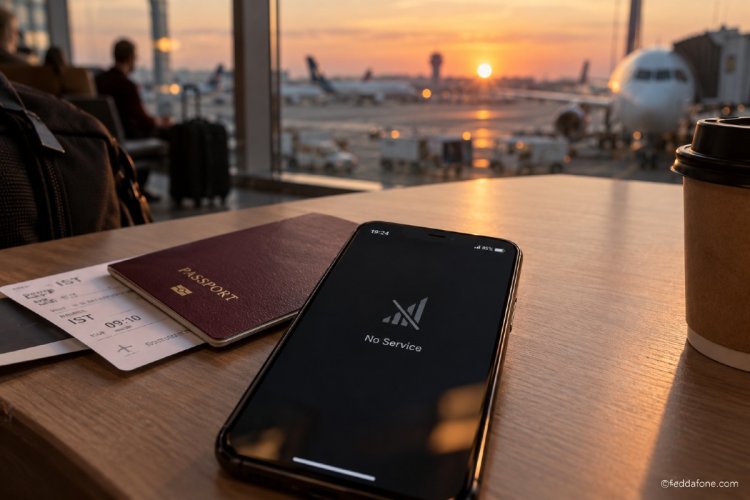
A smartphone brought in from another country will usually connect to a local mobile network as soon as you install a SIM card or eSIM. In some countries, however, that is not enough. The device is also checked by its IMEI, and longer-term use may require registration in a national database.
IMEI is the unique identifier assigned to the phone itself. That makes these restrictions fundamentally different from a SIM-card block. If a local network stops accepting a particular IMEI, replacing the SIM or installing a new eSIM profile will usually make no difference.
The rules vary considerably from country to country. In some places, visitors can use a foreign phone for several months without registering it. Elsewhere, temporary access must be arranged separately, and in some countries IMEI registration is also tied to customs procedures.

Turkey: 120 Days Without Registration
Turkey has long operated a centralised mobile device registration system. A phone brought in from abroad can be used without registration for up to 120 days from the date its owner enters the country.
If the IMEI is not registered within that period, the device is blocked from Turkish mobile networks. The phone itself continues to work normally over Wi-Fi and can still connect to mobile networks outside Turkey.
Anyone planning to use a foreign phone in Turkey on a permanent basis must register it through the government system and pay the applicable fee. Turkey also limits how frequently one person can register a device brought in from abroad.
For an ordinary holiday lasting a few weeks, the rule is unlikely to have any practical effect. It becomes relevant for people who spend months in the country or return regularly with the same unregistered device.
Once the IMEI has been blocked, switching to another Turkish SIM card or eSIM does not solve the problem. The network still sees the same phone.
Egypt: 90 Days for Tourists
Egypt significantly changed the way it handles mobile phones brought in from abroad during 2025 and 2026.
From 21 January 2026, the general exemption that allowed a passenger to bring in one phone without the relevant charges was removed. A separate exception remains for tourists and Egyptians who live permanently abroad, whose devices can be used within a 90-day period.
Phones that are subject to taxes and fees are also given a 90-day period from activation to regularise their status. Payment can be made through official channels, including the Telephony app. Once that period expires, restrictions may be applied to an unregistered device.
These rules are especially relevant for anyone planning to stay in Egypt beyond a typical short holiday.
If a phone suddenly stops connecting to the network after extended use, and changing the SIM or eSIM makes no difference, the IMEI status is one of the first things worth checking.
Uzbekistan: 30 Days With a Local SIM
In Uzbekistan, the countdown is linked not simply to entering the country, but to using a SIM card issued by a local operator.
The IMEI of an imported phone must be registered within 30 calendar days of connecting a local SIM. If registration is not completed, the device loses access to local GSM operator services until it is registered.
Non-residents who continue using a foreign SIM card in international roaming do not need to register the IMEI. The official UZIMEI system specifically provides for this exemption.
That distinction matters. A traveller can continue using the phone through roaming, but the 30-day registration period begins once a local SIM is used.
The registration cost can also depend on whether the device was registered within the initial 30-day period.
Pakistan: Temporary Registration for 120 Days
Pakistan operates DIRBS, a system that tracks device IMEIs on local mobile networks and blocks phones that do not meet registration requirements.
Foreign visitors and Pakistanis who permanently live abroad can use a separate temporary registration procedure. It allows one phone to be registered for use during a short stay.
The process requires passport details, the date of entry, a local SIM card registered in the applicant’s name, and the phone’s IMEI. Once the information is verified, the device is linked to that mobile number.
Temporary registration is valid for 120 days. After that period, an IMEI registered under the temporary scheme is blocked from local mobile networks. On a future visit, temporary registration can be completed again.
There is another important condition: a temporarily registered phone works with the SIM card specified during registration. Inserting another SIM does not provide network access under the same temporary arrangement.
Indonesia: Up to 90 Days for Tourists Using a Local SIM
In Indonesia, the rules depend largely on which SIM card a visitor is using.
If the phone keeps a SIM issued by a foreign operator and connects through international roaming, IMEI registration is not required.
A foreign tourist who wants to use an Indonesian SIM card can register the device directly with a local mobile operator. This temporary access is available for up to 90 days.
For stays longer than 90 days, a different procedure applies through the customs authorities. In that case, registration may involve import duties and the rules governing the import of the device.
For most short-term visitors, the system is relatively straightforward: a foreign SIM in roaming can be used without registration, while local SIM use is covered by a separate temporary registration process.
Azerbaijan: Declaration and Registration of Imported Phones
Azerbaijan’s system works differently from those in Turkey or Egypt. The emphasis is primarily on customs clearance.
Phones and other wireless devices brought in from abroad must be declared to the customs authorities. For subsequent IMEI registration, the device must appear in the electronic system of the State Customs Committee.
If the value of a single phone exceeds the equivalent of $800, the amount above that threshold is subject to the relevant customs charges. The customs authorities also state that the phone should be declared before leaving the airport.
Unlike several other countries covered here, the official materials do not set out a simple tourist period of 30, 90 or 120 days. Azerbaijan is therefore better treated separately: the issue is less about reaching a fixed time limit and more about whether the device has been properly declared and registered.
What About India?
India does have a national CEIR system that works with IMEI numbers and allows operators to block certain devices.
Its primary purpose, however, is to deal with stolen, cloned and illegal devices. In the official sources reviewed, there is no separate rule under which an ordinary personal phone carried by a tourist is automatically blocked after a set number of days because an import duty has not been paid.
For that reason, India should not be placed in the same category as Turkey, Egypt or Uzbekistan.

What Actually Happens When an IMEI Is Blocked
An IMEI block does not mean the phone stops working altogether.
The device can still switch on, connect to Wi-Fi, run apps, take photos and perform any other functions that do not depend on a mobile network.
The problem appears when the phone tries to register with a mobile operator. The network identifies the device by its IMEI and can deny it access.
That is why replacing one SIM card with another usually does not help. The same applies to eSIM: the operator profile changes, but the phone itself, and its IMEI, remain the same.
In countries where operators share a national IMEI database, moving to another local carrier will not solve the problem either.
Can an eSIM Bypass an IMEI Block?
No.
An eSIM allows you to change your mobile plan or operator without using a physical SIM card, but it does not change the device identifier.
If the phone is already blocked in a national IMEI database, a local operator will recognise the same device regardless of which SIM or eSIM is being used.
That is why, in cases where a phone suddenly loses network access, it is important to identify the cause before repeatedly changing SIMs. If the APN is correct, roaming is enabled, the available operators have been selected properly, and several different SIM cards or eSIMs all fail to register on the network, the IMEI status is worth checking.
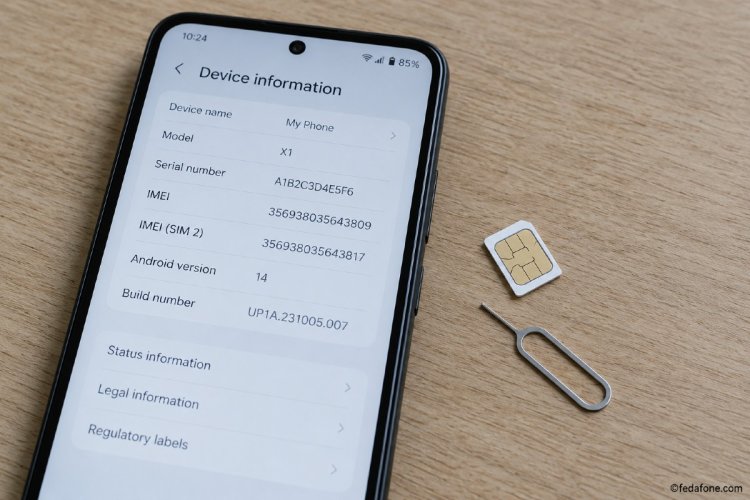
On most smartphones, the IMEI can be displayed by dialling:
*#06#
The device status can then be checked through the relevant country’s official service.
What to Check Before a Long Stay
For a typical one- or two-week holiday, these rules will usually have little practical effect.
For a stay lasting several months, however, it is worth checking three things in advance: how long a foreign phone can be used without permanent registration, whether tourists have access to a separate temporary registration process, and whether continued use of the device is linked to customs duties or import charges.
This is particularly important when travelling to Turkey, Egypt, Uzbekistan, Pakistan, Indonesia and Azerbaijan.
The rules also change from time to time. Before a long trip, it is worth checking the latest requirements on the website of the relevant telecom regulator, customs authority or official IMEI registration system.