How to Travel Between World Cup 2026 Cities
Flights, trains, buses, and travel routes between matches
The 2026 FIFA World Cup will become the biggest tournament in football history not only in terms of teams and stadiums, but also in terms of distances between host cities.
For the first time ever, matches will take place across three countries at once - the United States, Canada, and Mexico - meaning fans will quite literally travel across an entire continent, from New York and Toronto to Mexico City, Los Angeles, and Miami.
That’s why a trip to World Cup 2026 will feel like much more than just a football tour. It will be a full-scale journey across North America.
Without planning transportation in advance, it’s easy to run into expensive tickets, difficult connections, and wasted time between matches. If you’re hoping to visit several host cities during the tournament, building your route ahead of time will be essential.
The Biggest Challenge of World Cup 2026: Distance
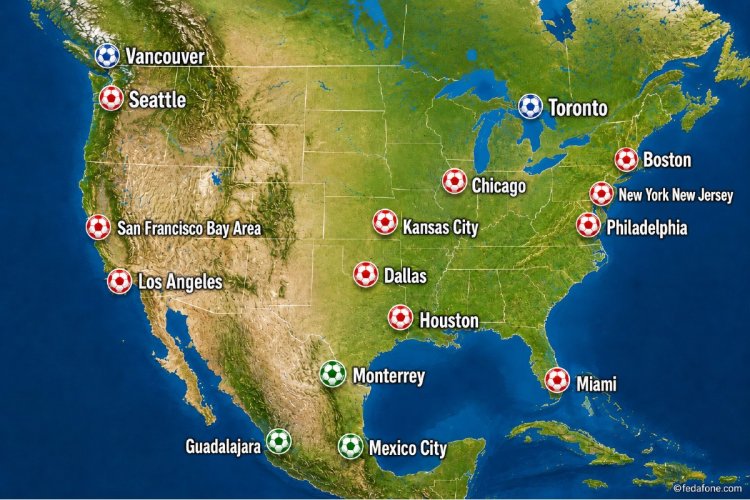
The main challenge of the tournament is geography.
A flight from New York to Los Angeles takes nearly six hours, while Vancouver and Mexico City are separated by more than 4,000 kilometers. Some domestic routes within the United States are comparable to flights between European countries.
Because of this, the classic European-style “take a train and arrive at the stadium two hours later” approach simply doesn’t work here. World Cup 2026 will be a tournament of long distances, domestic flights, and unforgettable road trips across North America.
Flights Will Be the Main Way to Travel
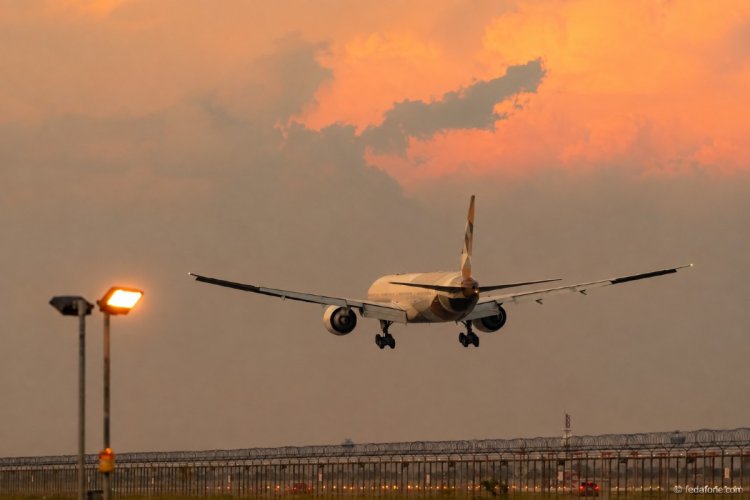
 Most fans will travel between cities by plane. Domestic air travel is extremely well developed in the United States, Canada, and Mexico:
- major cities are connected by dozens of daily flights;
- budget airlines operate across the continent;
- and many airports are located relatively close to city centers.
However, there’s one important thing to keep in mind: during the World Cup, flight prices are likely to rise significantly - especially one or two days before matches, immediately after games, and on popular routes such as New York to Miami or Los Angeles to Dallas.
That’s why booking flights early is highly recommended, especially if you already know your travel route.
A U.S. Road Trip Is the Best Way to Experience the Tournament
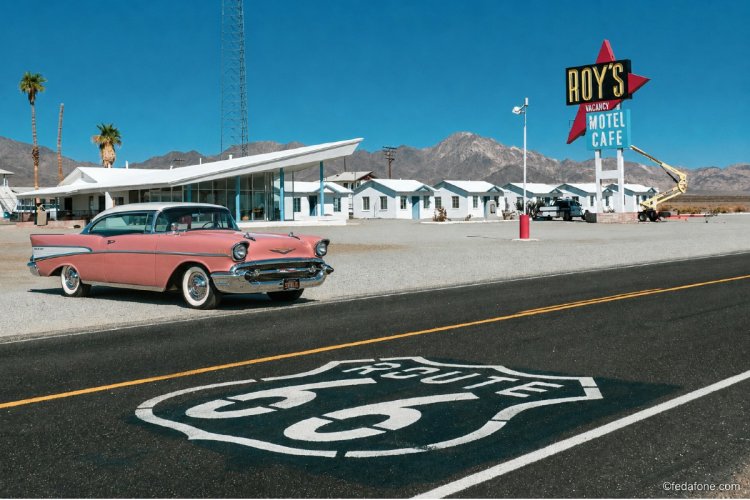
If your matches are located relatively close to one another, traveling by car may become the perfect option.
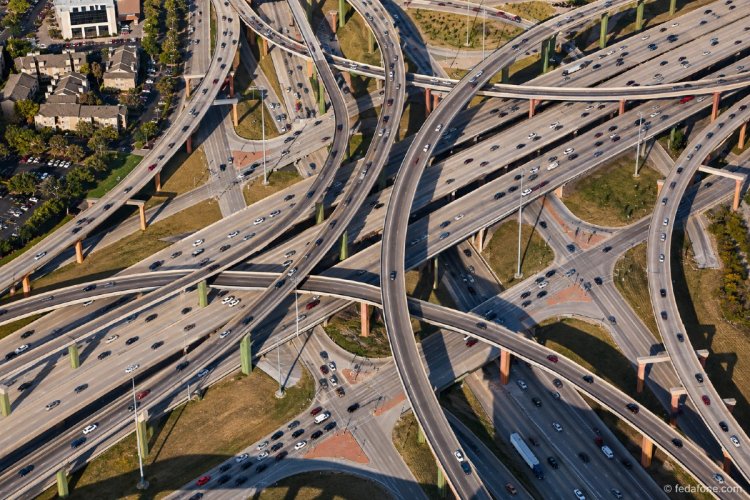
The United States is practically built for road trips: wide highways, excellent roads, endless motels, roadside diners, and national parks along the way make driving part of the experience itself.
Some city combinations work especially well for road travel:
- Dallas and Houston;
- Los Angeles and San Francisco;
- New York, Philadelphia, and Boston;
- Seattle and Vancouver.
During the World Cup, these drives can easily become one of the highlights of the trip itself: a match in the morning, then a drive through the deserts of Texas, the California coastline, or endless American highways glowing with motel signs and gas stations late into the night.
At the same time, it’s important to remember that distances can be deceptive. Even “nearby” cities may still require five to seven hours of driving.
Trains: Scenic, but Not Always Fast
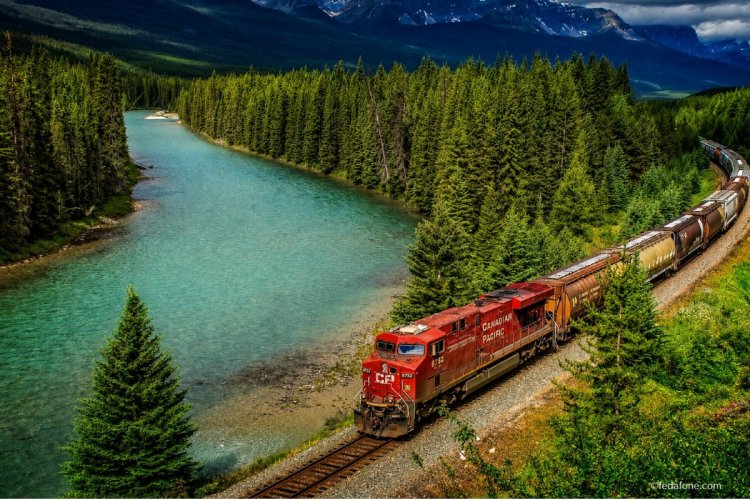
Many travelers are surprised to discover that North America’s railway system is very different from Europe’s.
Trains certainly exist in the United States, but they are not always the fastest or most convenient option for moving between cities. The main exception is the Northeast Corridor, including New York, Washington, Boston, and Philadelphia, where Amtrak trains are genuinely practical and comfortable.
In Canada, rail travel is better suited for long scenic journeys than for fast transportation between matches. Because of this, trains are best viewed as part of the travel experience rather than the main transportation method during the tournament.
Buses: The Most Budget-Friendly Option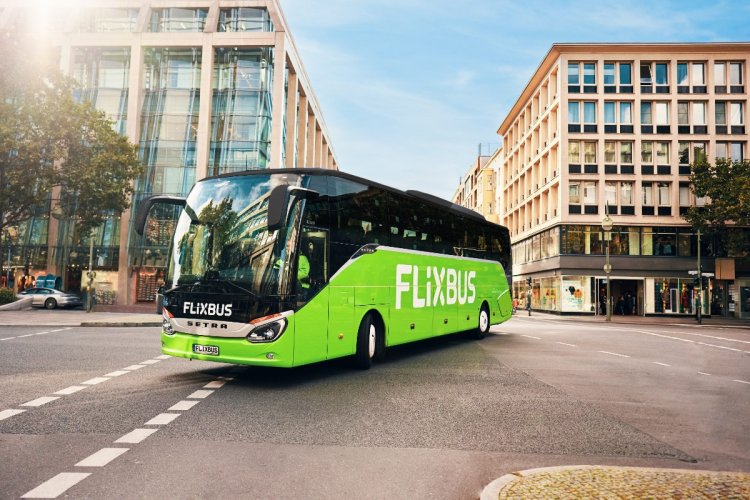
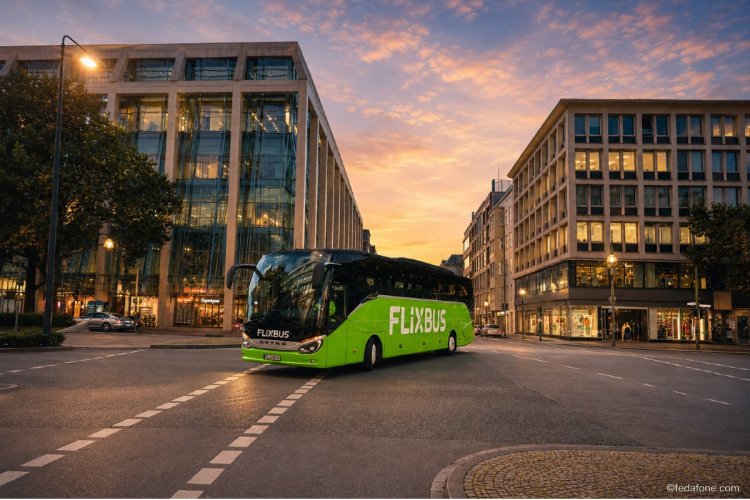
For fans traveling on a tighter budget, buses may become a good alternative.
Large companies such as Greyhound, FlixBus, and Megabus operate across North America, and on some routes bus tickets can cost several times less than flights.
Still, buses also come with disadvantages: long travel times, overnight journeys, delays, and stations that are not always particularly comfortable. Because of this, buses work best for shorter routes or travel within one region.
Internet and Navigation During the World Cup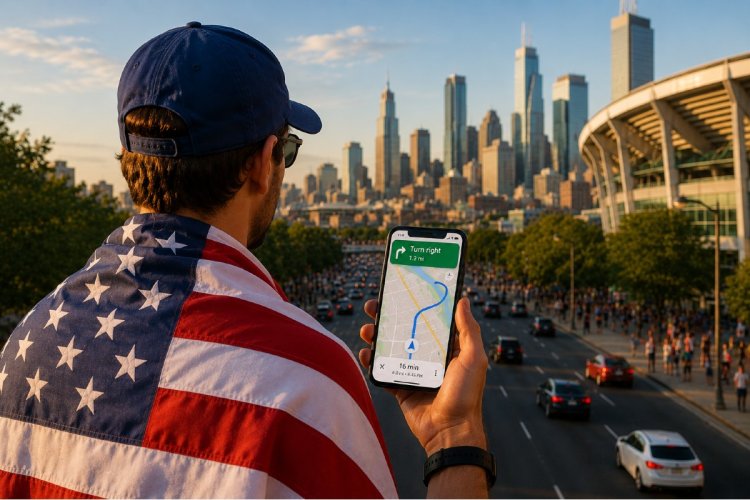
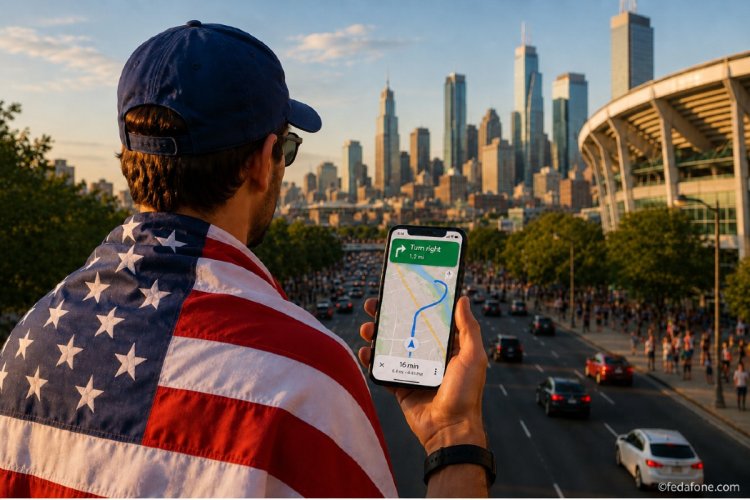
During a trip like this, reliable internet quickly becomes essential.
Throughout the tournament, you’ll constantly rely on maps, navigation, digital tickets, Uber and taxis, hotel bookings, flight schedules, online check-in, translation apps, and communication with friends. Mobile internet becomes especially important during road trips across the United States or while flying between countries.
For traveling between World Cup 2026 cities, using a World Cup 2026 eSIM from fedafone is one of the most convenient options. It starts working immediately after arrival and allows you to use mobile internet across the United States, Canada, and Mexico without changing SIM cards.
That makes traveling between multiple World Cup cities far easier while helping you stay connected throughout the tournament.