iPhone 18 Pro and iPhone Duo: What’s New
New cameras, better performance and Apple’s first foldable iPhone
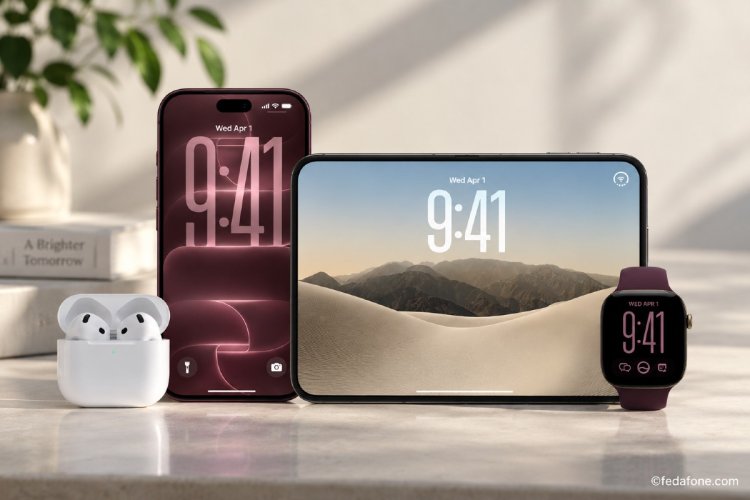
Apple has unveiled its latest generation of iPhones. The Pro models bring upgrades to performance, cameras and battery life, but the real headline is the iPhone Duo, Apple's first foldable smartphone.
Apple's 2026 fall event was considerably more interesting than the past few iPhone launches. That is not so much because of the iPhone 18 Pro and 18 Pro Max, which deliver the sort of annual improvements we have come to expect, but because Apple finally introduced an entirely new type of iPhone.
After years of speculation, Apple has entered the foldable smartphone market with the iPhone Duo.
That leaves us with an unusual lineup. The Pro and Pro Max are familiar flagships made faster, more efficient and more capable. The Duo, meanwhile, challenges the basic idea of what an iPhone can be.
So what has actually changed, which upgrades are likely to matter in everyday use, and who should consider each of Apple's new models?
iPhone 18 Pro and Pro Max: Evolution, Not Revolution
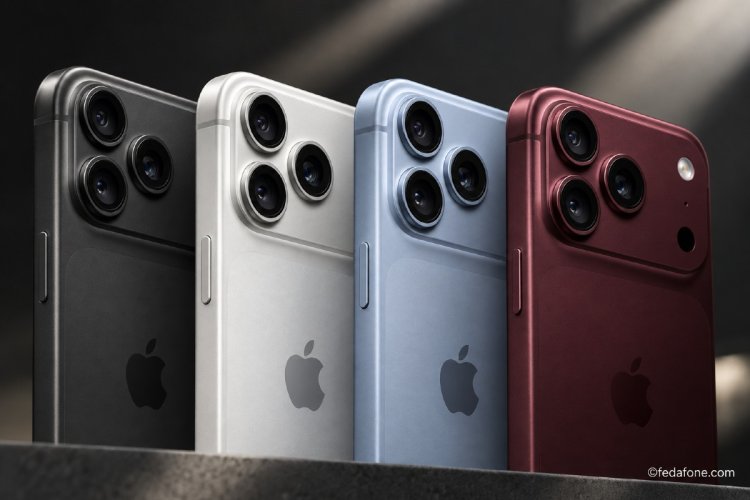
Pick up an iPhone 18 Pro and it is unlikely to feel like an entirely new device. Apple has retained the overall design philosophy of the previous generation and concentrated instead on refining the details.
One of the more visible changes is the Dynamic Island. It is now smaller, taking up less valuable screen space, although its basic purpose remains unchanged. The area around the front-facing sensors continues to function as part of the interface, displaying notifications, background activity and system controls.
Apple has also refreshed the color palette, with black, silver, blue and a new cherry finish joining the lineup.
The more significant changes, however, are on the inside.
A20 Pro: Performance Is No Longer Just About Games
The iPhone 18 Pro and Pro Max are powered by Apple's new A20 Pro chip, manufactured using a 2-nanometer process. It combines a six-core CPU with a seven-core GPU.
Raw performance has not been a serious limitation for flagship iPhones for some time, which makes a different question more interesting: what does Apple intend to do with all that additional computing power?
Artificial intelligence is one obvious answer.
Apple is increasingly moving Apple Intelligence and Siri processing onto the device itself. Running more tasks locally can reduce reliance on cloud infrastructure, improve response times and keep more personal information on the iPhone rather than sending it to remote servers.
Apple has also redesigned the cooling system. It may not sound like the most glamorous upgrade, but sustained performance remains a challenge for compact mobile devices.
Gaming, video editing, photo processing and local AI workloads can keep a processor under heavy load far longer than ordinary everyday tasks. Better thermal management may therefore prove more useful in practice than another impressive benchmark score.
The Camera Takes Another Step Toward Pro Territory
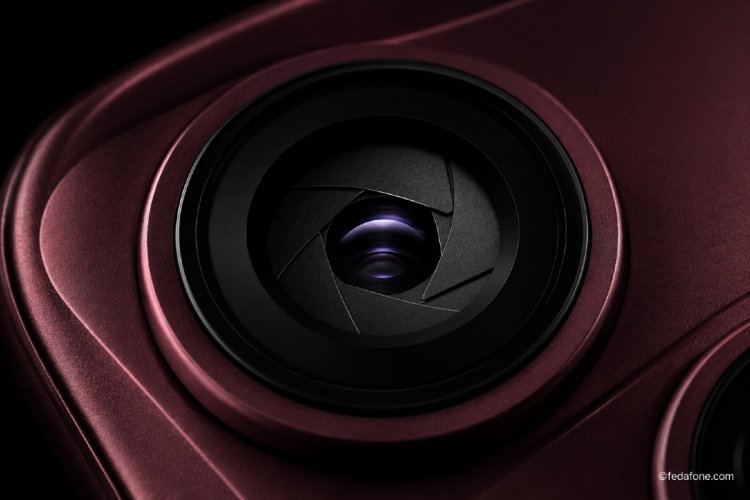
One of the most interesting additions to the iPhone 18 Pro is a main camera with a variable aperture.
Most smartphone cameras use a fixed aperture. Apple's new system can adjust how much light reaches the sensor while also providing greater control over depth of field.
For someone who simply pulls out an iPhone and presses the shutter button, much of this technology will remain invisible. The camera will choose the appropriate settings automatically.
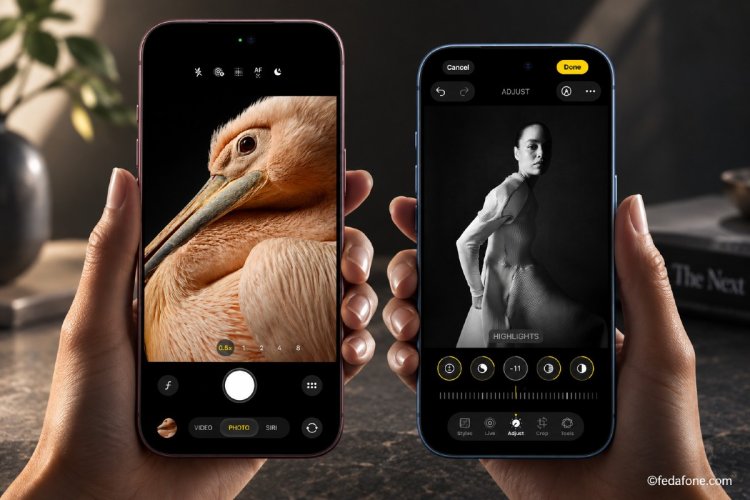
The upgrade becomes more interesting for photographers who already treat the iPhone as a serious camera. Apple has expanded manual control over settings including ISO, shutter speed, white balance and aperture.
Video continues to receive attention as well, with additional professional recording options and high-resolution time-lapse capture.
For anyone who shoots a significant amount of photo and video content on their phone, the camera may ultimately be one of the strongest reasons to consider upgrading.
Battery Life Matters More Than Another Few Percent of Performance
Apple has once again improved energy efficiency while reworking the internal layout of the new phones. Charging is faster too.
On a specification sheet, those improvements may sound less exciting than a new processor or camera system. In everyday use, the opposite is often true.
Most owners of recent iPhones are unlikely to notice the performance difference between two generations of processors while reading email, browsing the web or using messaging apps. A few extra hours of battery life, or the ability to add a meaningful amount of charge before leaving home, is something you notice every day.
That becomes even more important when travelling, when the iPhone is simultaneously your camera, map, boarding pass, wallet and primary means of communication.
iPhone Duo: Apple's Most Important New iPhone in Years
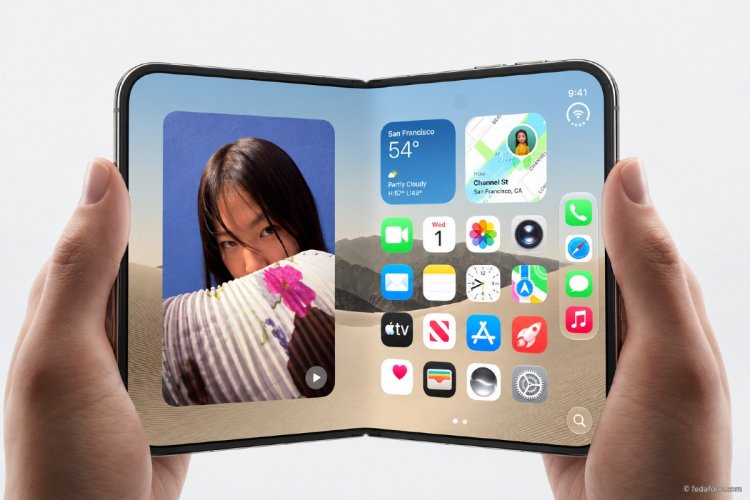
If the iPhone 18 Pro is the latest refinement of a familiar formula, the iPhone Duo is Apple's attempt to rewrite that formula altogether.
It is the company's first foldable iPhone.
Closed, the Duo functions as a conventional smartphone. Open it and you get a 7.6-inch internal display, transforming the device into something much closer to a compact tablet.
The larger screen makes it possible to work with two apps at once or keep multiple windows open. You might have Maps on one side and Messages on the other, watch a video alongside a browser, or work with documents without constantly switching between apps.
Apple has also added support for the USB-C Apple Pencil. That introduces an entirely new use case for the iPhone, allowing the Duo to handle handwritten notes, document annotation and drawing.
The bigger question is how often owners will actually need that larger internal display.
The answer could determine the future of the entire category. A foldable phone has to offer more than an impressive hinge. It needs enough genuinely useful applications to justify its added complexity and significantly higher price.
Touch ID Returns
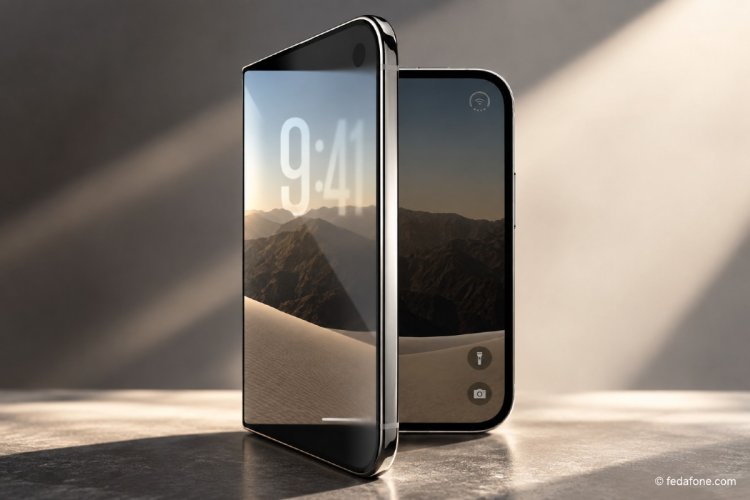
One of the more unexpected decisions with the iPhone Duo is the return of Touch ID.
The fingerprint sensor is integrated into the side button and works whether the device is open or closed.
The absence of Face ID appears to be largely a consequence of the Duo's design. Internal space is particularly valuable in a thin foldable device, while Face ID requires several dedicated components.
Seen that way, Touch ID is less a nostalgic revival of an old feature and more a pragmatic engineering decision.
Still, it means users will once again have to become accustomed to an authentication method that Apple's flagship iPhones left behind years ago.
iPhone Duo Cameras: An Inevitable Compromise
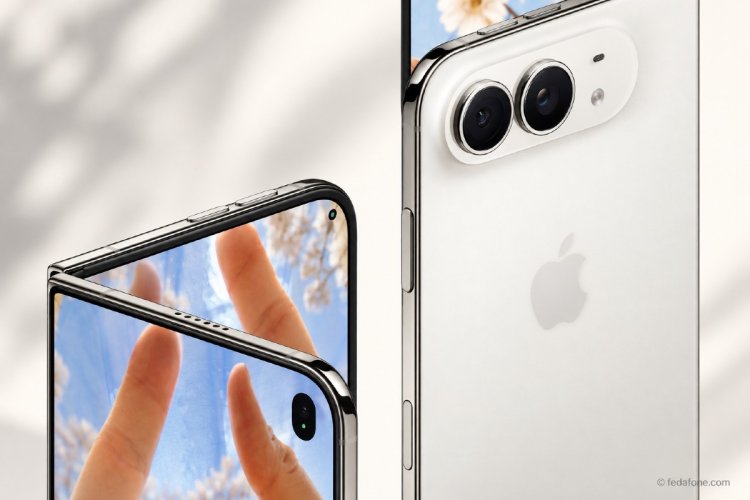
The Duo uses a dual-camera system consisting of a 48-megapixel main camera and a 12-megapixel telephoto camera. It is less capable than the system on the iPhone 18 Pro and Pro Max, and there is an understandable reason for that. A foldable body places much tighter constraints on the space available for cameras, batteries and other internal components.
The form factor does offer one clever photographic advantage.
The outer screen can serve as a viewfinder while the main cameras are being used. That means the person being photographed can preview the shot, while selfies can be taken with the higher-quality main camera rather than relying solely on the front-facing camera.
For some buyers, the simpler camera system will be a significant drawback. Others may decide that the advantages of the larger foldable display matter more.
eSIM Is Becoming the Standard Across the New Lineup
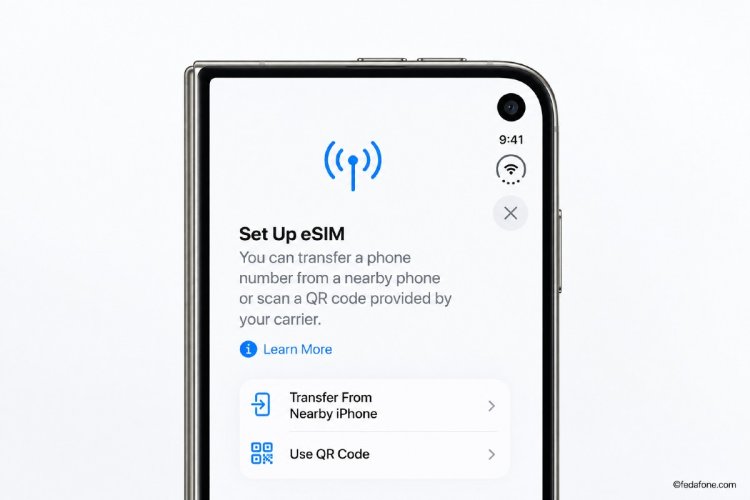
Every iPhone introduced in 2026 supports eSIM, although there is an important distinction between models and markets.
The iPhone Duo does away with the physical SIM card entirely and is eSIM-only in every market where it is sold.
The situation is slightly different for the iPhone 18 Pro and iPhone 18 Pro Max. In some countries, Apple sells eSIM-only versions, while other markets retain models that support both a physical nano-SIM and eSIM.
Either way, eSIM support is now standard across the entire new lineup.
For travellers, that is far more than a technical footnote.
An iPhone can store multiple eSIM profiles, allowing different mobile plans to be used for different purposes. You can, for example, keep your primary number active for calls, messages and banking notifications while using a separate travel eSIM for mobile data abroad.
That is also where a fedafone eSIM fits naturally into the new iPhone experience. A plan for your destination or region can be selected before departure and installed on the iPhone in advance. Once you arrive, mobile data can be switched to the travel eSIM directly from the iPhone's settings.
It is particularly useful on multi-country trips. Instead of buying another physical SIM every time you cross a border, a regional eSIM can provide coverage across several countries under a single plan.
For the iPhone Duo, going entirely eSIM also makes sense from an engineering perspective. Removing the need for a physical SIM card frees up valuable internal space, something that matters considerably more in a thin foldable device.
Apple has been expanding its use of eSIM for several years, and the 2026 lineup makes the direction increasingly clear: the physical SIM card is gradually becoming optional rather than an essential part of the iPhone.
How Much Do the New iPhones Cost?
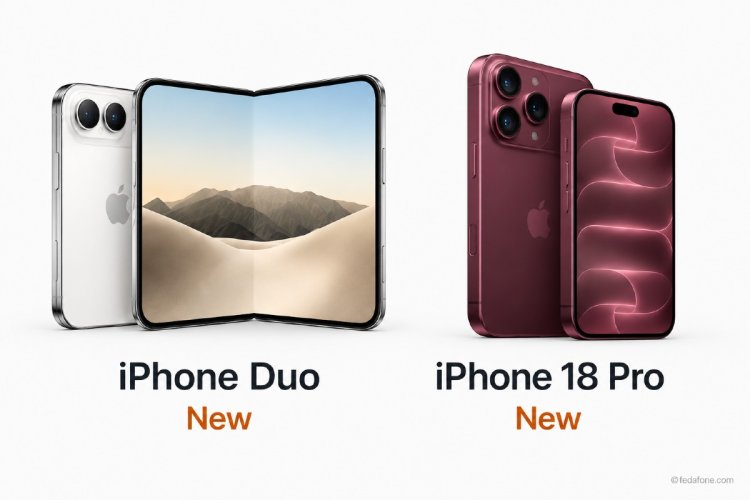
The iPhone 18 Pro starts at $1,199, while the iPhone 18 Pro Max starts at $1,299.
The iPhone Duo sits in an entirely different price category. Apple's first foldable starts at $1,990.
And price is arguably the Duo's biggest obstacle.
At around $2,000, buyers are getting more than a smartphone. The Duo sits somewhere between an iPhone and a compact tablet. At the same time, buyers have to accept a less capable camera system and take a chance on the first generation of an entirely new design.
First-generation Apple products have traditionally been most appealing to enthusiasts. Everyone else may reasonably prefer to see how the technology performs in everyday use and what Apple changes in the second generation.
Which New iPhone Should You Buy?
Choosing between the iPhone 18 Pro and Pro Max remains relatively straightforward.
The iPhone 18 Pro is arguably the most balanced model in the range. It offers the new processor, advanced camera system and all of the generation's key features without requiring users to move to an oversized device.
The Pro Max is aimed at buyers who value a larger display and maximum battery life and are prepared to sacrifice some portability to get them.
The iPhone Duo is more complicated.
It should not be viewed simply as a more expensive Pro Max. It is a different type of device with different priorities. Its appeal lies in the larger internal display, multitasking, Apple Pencil support and the possibility of replacing both a smartphone and a small tablet.
If none of those features fit into your daily routine, it will be difficult to justify spending almost $2,000 on the base model simply for the ability to fold the screen in half.
Should You Upgrade?
For owners of relatively recent Pro models, the iPhone 18 Pro and Pro Max are unlikely to be essential upgrades.
The processor is faster, the camera is more capable and battery life is better, but the fundamental idea of the device has not changed. This is a mature iPhone, with Apple continuing to refine a formula that already works extremely well.
The iPhone Duo is a very different proposition.
For the first time in years, Apple is offering something other than another variation of the familiar smartphone. Its large foldable display, multitasking features, Apple Pencil support, Touch ID and eSIM-only design make it one of the most experimental iPhones the company has ever produced.
The first generation will almost certainly remain a niche product. It is expensive, mechanically complex and comes with some obvious compromises. But the Duo is also what makes Apple's 2026 launch genuinely significant.
The iPhone 18 Pro shows just how far Apple can take the conventional smartphone. The iPhone Duo offers the first real glimpse of what the company believes might come next.