How Much Does a Trip to World Cup 2026 Cost?
A realistic fan budget - from a modest getaway to the trip of a lifetime.
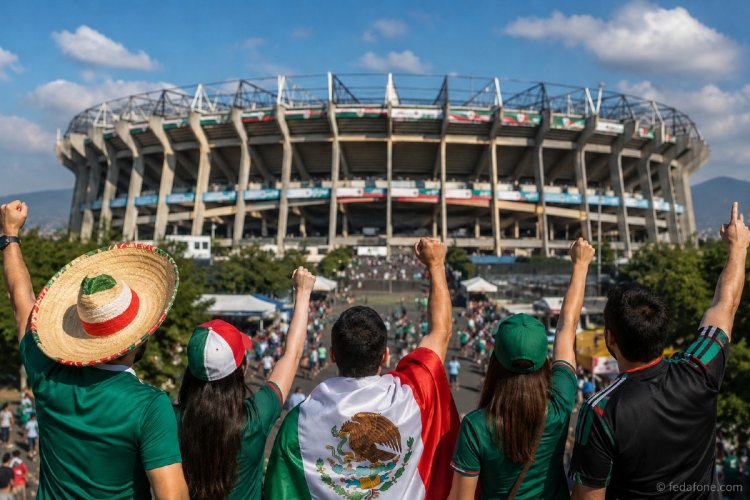
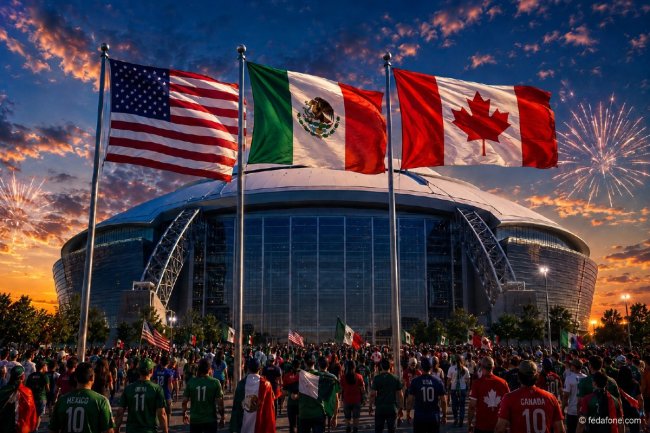
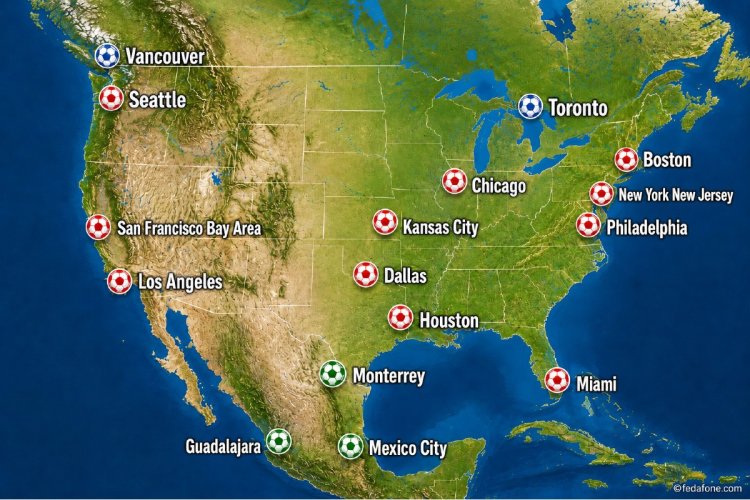
The 2026 FIFA World Cup is set to become the biggest tournament in football history. Matches will be played across three countries - the United States, Canada, and Mexico - with some host cities separated by thousands of miles.
Long before the first match begins, many fans find themselves asking the same question: what kind of budget does a World Cup trip really require?
The answer depends on many factors. Some travelers will fly in for a single match and spend a few days in one city, while others will turn the tournament into a multi-country adventure spanning several weeks. Either way, there are a few major expenses that nearly every fan should expect.
Flights: The Biggest Expense for Most Fans
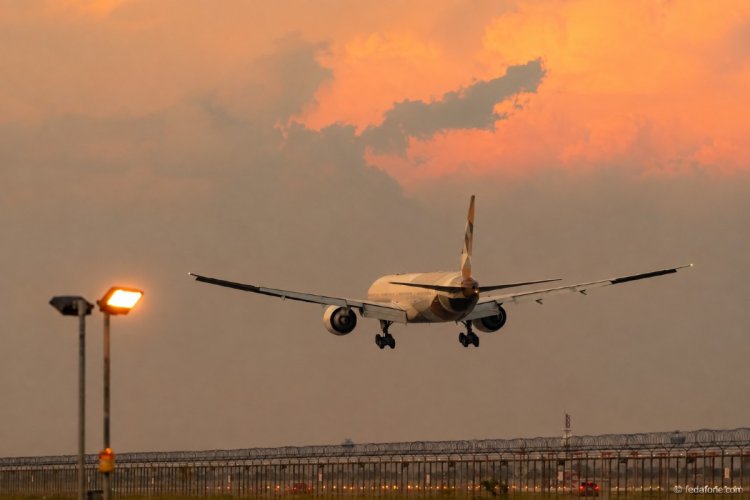
Many people begin calculating their budget by looking at match tickets, but in reality, flights are often the largest expense.
World Cup 2026 will cover an enormous area. New York and Los Angeles are nearly 4,000 kilometers apart, while traveling between Vancouver and Mexico City can feel like crossing a significant part of Europe.
For international visitors, costs begin long before they arrive at the first stadium. Airfares vary depending on departure country, season, and booking date, and prices typically rise as the tournament approaches.
Fans planning to visit multiple host cities should also account for domestic flights within North America, which can quickly add to the overall budget.
Match Tickets Are Only Part of the Story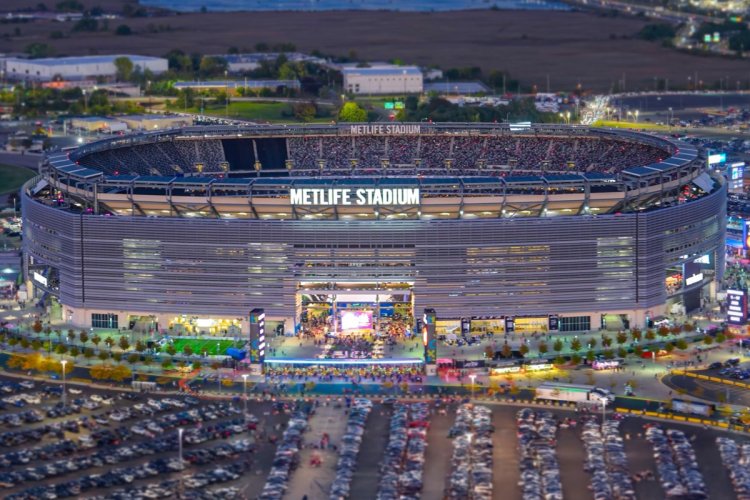

Of course, no World Cup trip would be complete without attending the matches themselves.
The cost of attending a match can vary significantly throughout the tournament. Group-stage games are often the easiest on the budget, while knockout matches and the later stages of the competition typically come with a much higher price tag.
Still, it's important to remember that match tickets represent only one portion of the overall cost. For most travelers, transportation and accommodation will account for a much larger share of the budget.
Accommodation During the Tournament
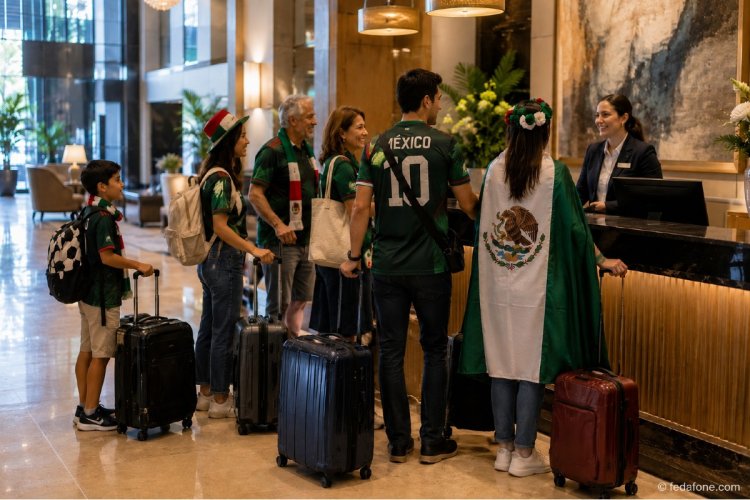
Accommodation prices tend to rise quickly during major international sporting events. This is especially true in cities such as New York, Los Angeles, Miami, Toronto, and Mexico City, where demand is expected to be highest.
Hotels and short-term rentals in convenient locations - close to stadiums, transportation hubs, and fan zones - are often booked months in advance. Securing accommodation early remains one of the most effective ways to keep travel costs under control.
Don't Forget About Getting Between Cities
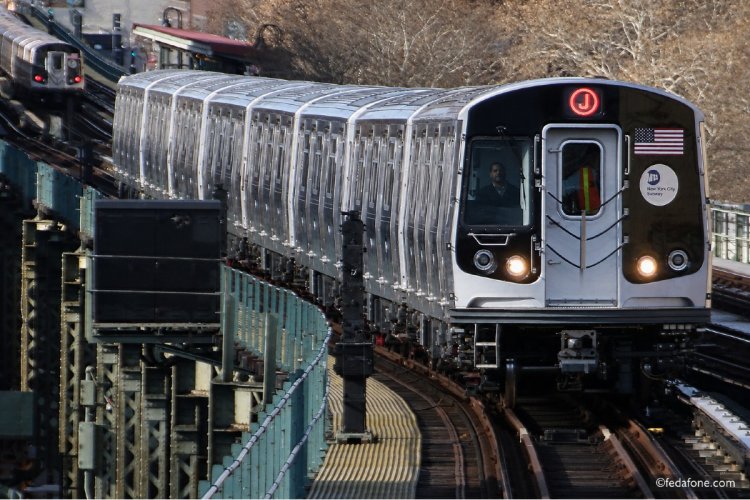
One of the defining characteristics of World Cup 2026 is the distance between host cities.
Many fans budget for flights and hotels but underestimate the cost of traveling within North America. Domestic flights, rental cars, trains, buses, airport transfers, and trips to and from stadiums can become a surprisingly significant expense.
This is particularly true for travelers planning to visit multiple cities or experience matches across all three host countries.
Everyday Expenses Add Up Quickly
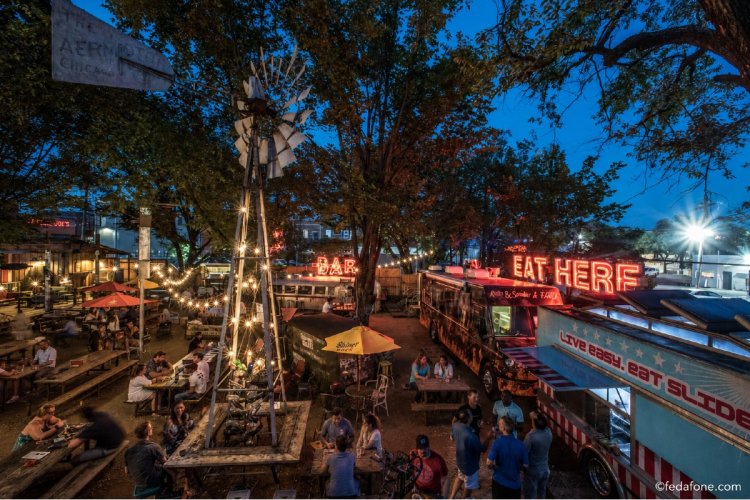
Even after the major costs are covered, every trip comes with a long list of smaller expenses.
Meals, local transportation, taxis, drinks, souvenirs, sightseeing, museum tickets, and unexpected purchases all contribute to the final budget.
Individually, these costs may seem relatively minor, but over the course of a trip they can add up far more quickly than many travelers expect.
What Does a World Cup Trip Cost Per Person?
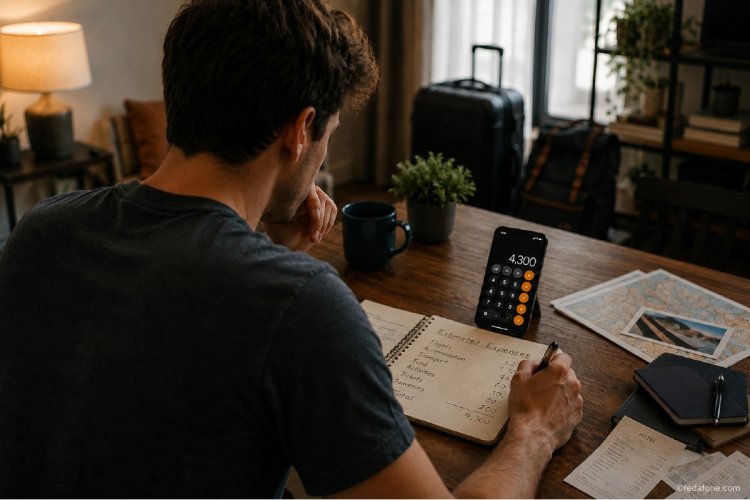
While exact figures are impossible to predict, a few typical scenarios can provide a useful benchmark.
Budget Option
One city, one or two matches, budget accommodation, and a shorter stay.
Estimated budget: $2,000-$4,000 USD
Comfortable Option
Several matches, multiple cities, quality hotels, and domestic flights.
Estimated budget: $5,000-$10,000 USD
The Dream Trip
Multiple countries, numerous matches, knockout rounds, comfortable accommodation, and extensive sightseeing.
Estimated budget: $10,000+ USD per person
What If You're Traveling With Family or Friends?
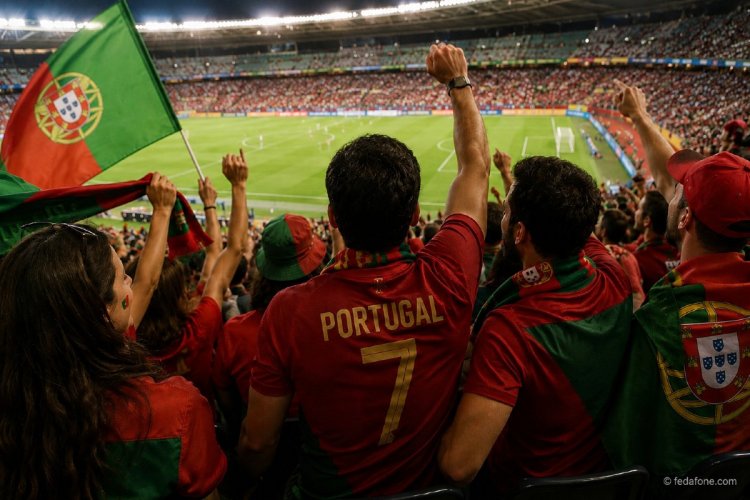
 Costs increase quickly when traveling as a group.
Even a relatively modest trip for a family or a group of five can easily approach $5,000 USD, while a multi-city itinerary with several matches can push the total significantly higher.
That's why planning ahead is so important. The earlier you begin organizing your trip, the more opportunities you'll have to secure better prices on flights, accommodation, and transportation.
Where Fans Most Often Overspend
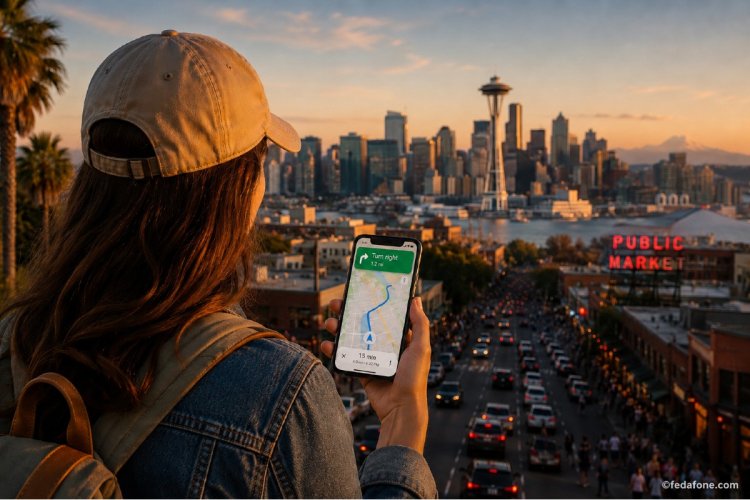
Photo 9 - smartphone with bookings
Experience from previous tournaments shows that most unnecessary expenses come from a handful of common mistakes:
- booking flights at the last minute;
- waiting too long to reserve accommodation;
- scheduling too many domestic flights;
- relying on taxis instead of public transportation;
- paying for expensive international roaming.
Most of these costs can be avoided with a little planning before departure.
Where You Can Save Money
A few simple decisions can make a noticeable difference to your overall budget:
- book flights early;
- reserve accommodation several months in advance;
- combine matches in nearby cities;
- use public transportation whenever possible;
- plan your route before traveling;
- arrange mobile internet ahead of time.
During the tournament, internet access will be essential for navigation, digital tickets, bookings, flight schedules, and staying in touch with friends.
The World Cup 2026 eSIM from fedafone provides mobile internet across the United States, Canada, and Mexico immediately upon arrival, without the need to purchase separate plans in each country.
Final Thoughts
World Cup 2026 is likely to be one of the most expensive tournaments ever from a travel perspective. The reason is simple: enormous distances and three host countries spread across an entire continent.
At the same time, the final cost of the trip can vary dramatically depending on how early you begin planning. The sooner flights are booked, accommodation is secured, and routes are mapped out, the better your chances of spending less on logistics and more on enjoying the journey itself.