The Most Unusual Stadiums of World Cup 2026
Arenas that are truly worth seeing
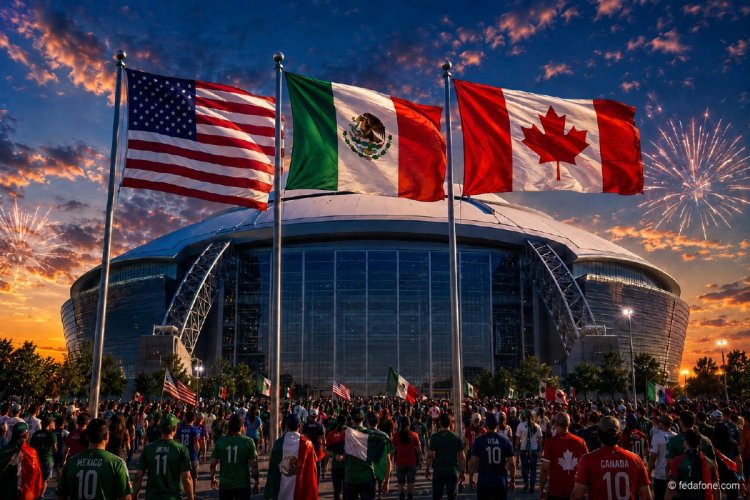
World Cup 2026 is the most ambitious tournament in football history. Matches are being held across 16 stadiums in the United States, Canada, and Mexico, and the arenas themselves have become an important part of the journey for millions of fans.
Some stadiums are famous for the historic moments they have witnessed, others stand out through cutting-edge technology and remarkable scale, while a few are memorable simply because of where they are located and the unique atmosphere that surrounds them.
Here are several stadiums that deserve just as much attention as the matches themselves.
Estadio Azteca, Mexico City
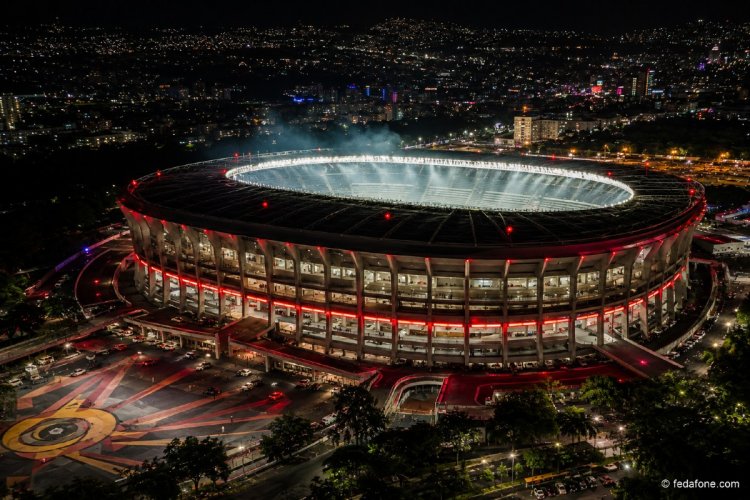
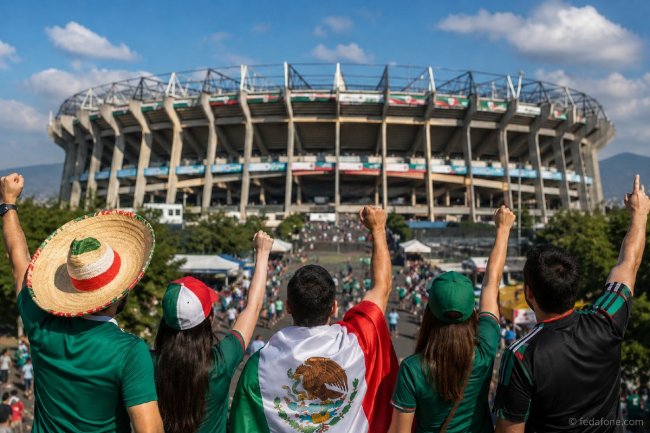
Few stadiums in world football can match the legacy of Estadio Azteca. This iconic arena has hosted some of the sport’s most memorable moments, including the World Cup finals of 1970 and 1986. It was here that Pelé lifted the trophy with Brazil and where Diego Maradona produced one of the most talked-about performances in football history, including the infamous “Hand of God.”
During World Cup 2026, the stadium will make history once again by becoming the first arena in the world to host matches at three different World Cups.
Its location adds even more to the experience. The stadium stands in Mexico City at an altitude of more than 2,200 meters above sea level, making the atmosphere of its matches even more unusual. For many fans, visiting the Azteca will feel just as important as watching the game itself.
SoFi Stadium, Los Angeles
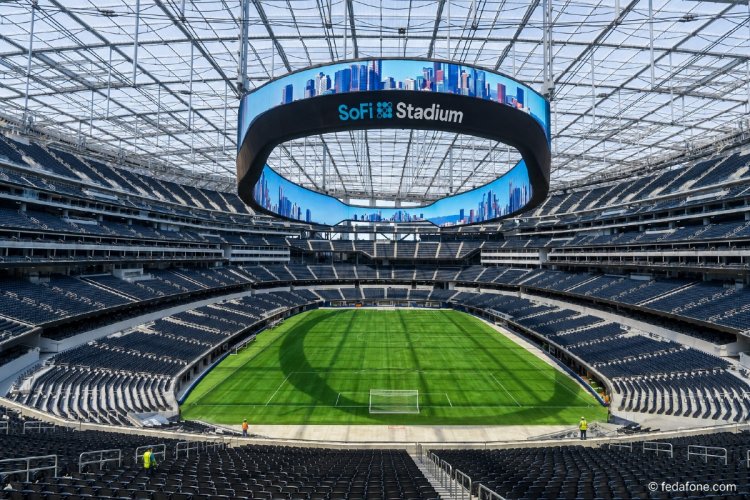
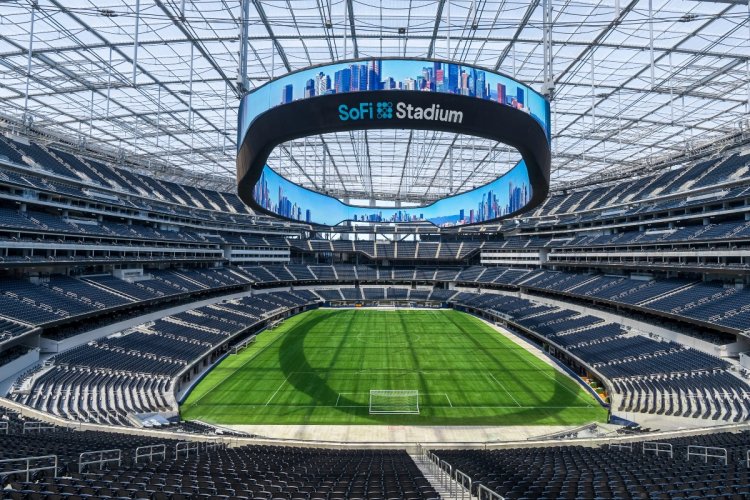 If the Azteca represents football history, SoFi Stadium represents the future of sports arenas.
It is considered one of the most expensive sports venues ever built, with a price tag estimated in the billions of dollars. Its appearance feels more like a futuristic science center than a traditional stadium.
The arena’s most striking feature is its enormous circular video board, which appears to float beneath the roof and can be seen from almost every seat.
Long before kickoff, SoFi Stadium had already established itself as a major attraction. Its futuristic architecture draws visitors from around the world, many of whom come simply to see the venue firsthand.
AT&T Stadium, Dallas
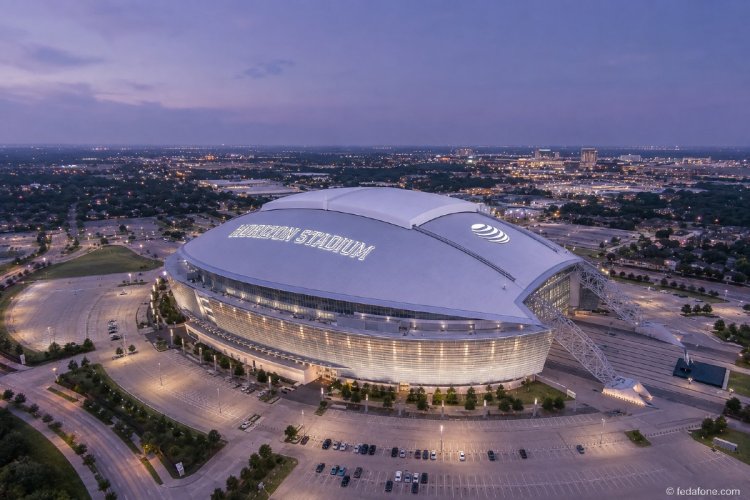
In Texas, everything tends to be done on a grand scale, and this stadium is no exception.
AT&T Stadium is considered one of the largest sports arenas in North America. For major events, its capacity can expand to more than 100,000 spectators.
But the defining feature of AT&T Stadium is not only its size, but the sheer sense of scale inside. The huge video board suspended beneath the roof immediately draws your attention and turns the match into a full-scale show. Everything here feels larger than life: the stands, the screen, the lights, the sound, and the atmosphere itself. At some point, it feels less like a stadium and more like an entire sports city under one roof.
Mercedes-Benz Stadium, Atlanta
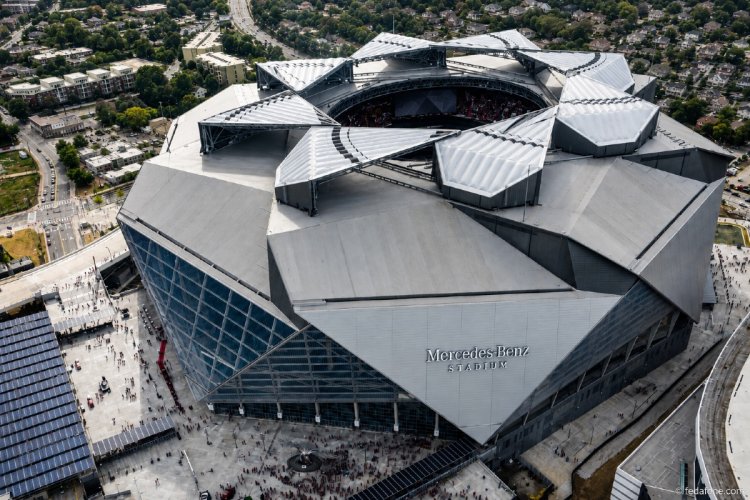
Even if you have never seen this stadium from the inside, you would probably recognize it from the photos.
Its main feature is a unique roof made up of eight moving sections. When it opens, the panels fold back like the aperture of a camera lens, creating one of the most striking architectural details of any stadium in the world.
The arena looks especially impressive in the evening, when the exterior lighting comes on and the whole complex begins to resemble a spacecraft.
BC Place, Vancouver
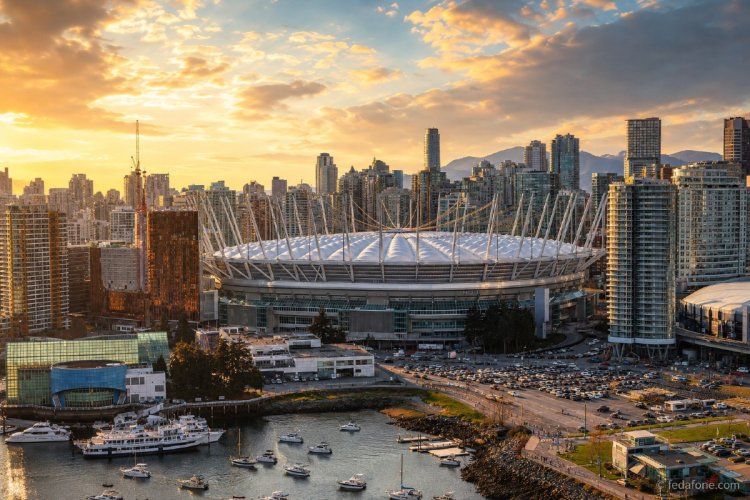
During World Cup 2026, Vancouver may become one of the most beautiful cities of the tournament, and its stadium - one of the most unique.
BC Place is located almost in the heart of the city. On one side, it is surrounded by modern skyscrapers; on the other, it offers magnificent views toward the bay, with mountain peaks visible in the distance.
This combination of urban architecture and nature is rare. Even a simple walk to the stadium can feel like a tour through one of the most scenic cities in North America.
Lumen Field, Seattle
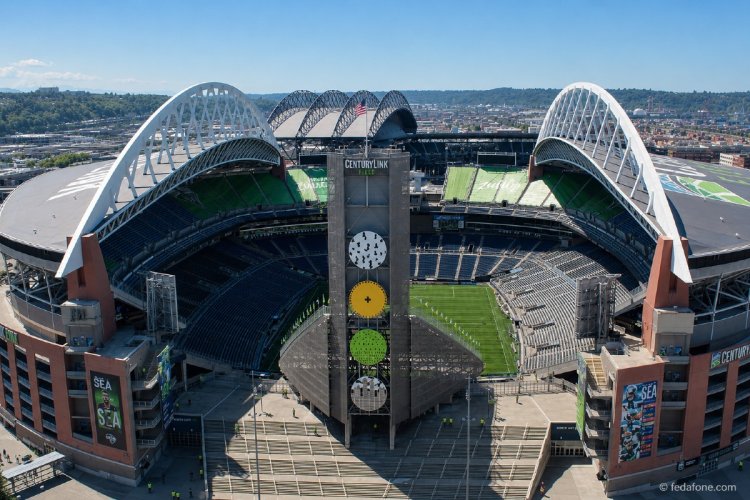
This stadium is known less for its architecture than for its atmosphere.
Seattle fans are considered among the loudest in North America, and the stadium has often appeared in rankings of the loudest sports venues in the world. Views of Elliott Bay, the port, and Seattle’s modern downtown only add to the experience.
During the World Cup, this could be one of the best places to feel the full energy of the tournament.
MetLife Stadium, New York

For millions of fans, this stadium will become the main symbol of World Cup 2026. The reason is simple: this is where the final will be played.
Although the arena itself is located in neighbouring New Jersey, it effectively belongs to the vast New York metropolitan area.
On the days surrounding the final, the attention of the entire football world will be focused on this stadium. For many supporters, attending the final at MetLife Stadium will be the realization of a lifelong dream.
Icons Beyond the Pitch
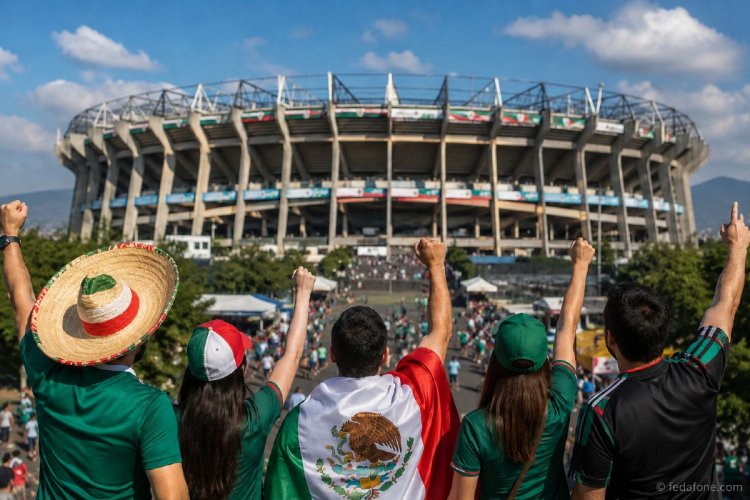
Today, stadiums are much more than places where matches are played. Many have become architectural symbols of their cities, recognizable landmarks, and essential stops on travel itineraries.
During World Cup 2026, millions of fans will visit these arenas for more than just football. Some will want to see the legendary Azteca, where World Cup history was made; others will come to experience the futuristic technology of SoFi Stadium; and some will simply want a photo in front of one of the most famous stadiums on the planet.
Even if your schedule does not include a match at a particular arena, many of the tournament’s stadiums are worth visiting in their own right. Tours, museums, viewpoints, and the atmosphere around them allow you to feel the scale of the World Cup long before kickoff. After all, World Cup 2026 is not only a journey through the cities of North America, but also a chance to see sports venues that have already become part of global football history.
And to move freely between host cities, use navigation, access digital tickets, book accommodation, and stay connected across the United States, Canada, and Mexico, it is worth arranging mobile internet in advance. The World Cup 2026 eSIM from fedafone lets you stay online immediately after arrival and use mobile internet in all three countries without having to purchase separate eSIMs from local providers.
Because the World Cup is more than ninety minutes of football. It's the cities you explore, the people you meet, and the experiences you collect between one stadium and the next.