World Cup 2026: The Biggest World Cup in History
Three countries, dozens of cities, and millions of fans
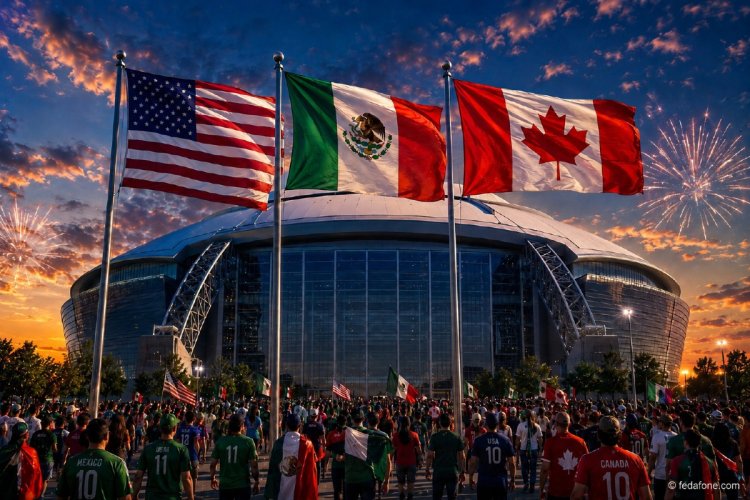
The World Cup 2026 is already shaping up to be unlike anything football has ever seen. For the first time in history, the tournament will be hosted by 16 cities and three countries at once - the United States, Canada, and Mexico - while the number of participating national teams will expand to 48.
But World Cup 2026 is about far more than football. It’s a journey across an entire continent: from Canada’s mountains and national parks to the skyscrapers and endless highways of the United States, all the way down to Mexico’s colorful markets, beaches, and electric football culture.
Fans will travel thousands of kilometers (or miles!) between matches, experience completely different cities and cultures, and move from giant American stadiums to historic Mexican arenas and scenic Canadian waterfronts. That’s exactly why World Cup 2026 is expected to become not only the biggest football tournament ever, but also one of the biggest travel events of the decade.
This is the first article in our World Cup 2026 series, where we’ll explore the host cities, stadiums, travel routes, transportation, and fan experiences across North America. And there’s no better place to begin than with the cities themselves - the places that will become the center of the football world in the summer of 2026.
United States
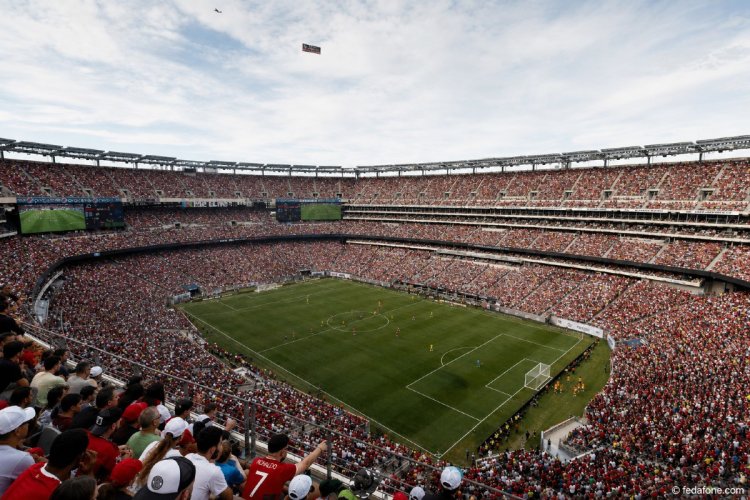
The United States will host the majority of World Cup 2026 matches, making it the true heart of the tournament. Games will take place in massive state-of-the-art stadiums usually reserved for NFL games and world-famous concerts.
The American side of the World Cup promises giant arenas, huge fan festivals, world-class infrastructure, and the kind of scale only the U.S. can deliver.
New York / New Jersey
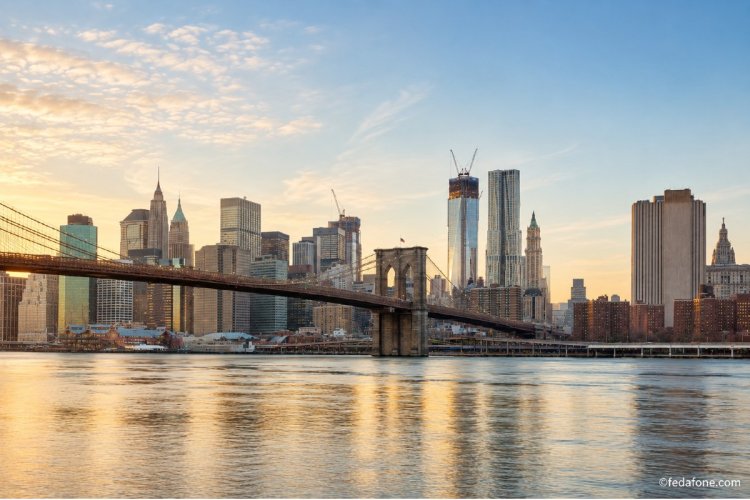
The 2026 World Cup final is expected to take place here, surrounded by Manhattan skyscrapers, bright city lights, and the nonstop energy of New York City. During the tournament, New York will likely become the center of the football universe - loud, chaotic, exciting, and unforgettable.
Matches will be played at MetLife Stadium, a massive arena just outside Manhattan capable of hosting tens of thousands of supporters. But in many ways, the city itself will be just as important as the games. During the World Cup, it will feel as if the entire world has gathered here: fans in national jerseys filling Times Square, packed sports bars in Brooklyn, giant public screens glowing between skyscrapers, and streets alive long after midnight.
And between matches, there’s nowhere quite like New York. You can watch the sunset from rooftop terraces, walk through Central Park, cross the Brooklyn Bridge at night, or simply get lost in the endless rhythm of the city.
Los Angeles
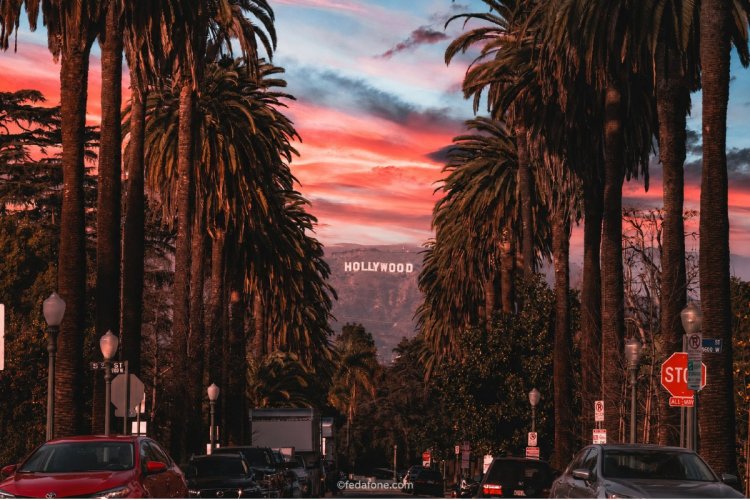
Los Angeles will host the opening World Cup match in the United States, and few cities feel better suited to kick off a tournament of this scale.
Between games, fans can spend time at Venice Beach, drive along the Pacific Coast Highway, explore Hollywood, or watch the sunset from Santa Monica Pier. And once the matches end, the city transforms into a giant football party filled with rooftop bars, outdoor screenings, and supporters from every corner of the world.
For many travelers, Los Angeles will become the ultimate “American summer” experience: football, ocean views, nightlife, and endless California energy all in one place.
Miami
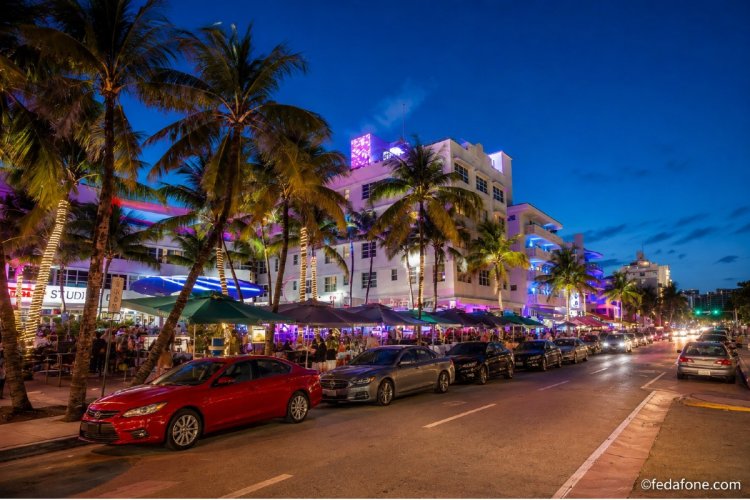
If one city is destined to become the party capital of World Cup 2026, it’s Miami.
Football blends perfectly into the city’s atmosphere of tropical heat, Latin music, neon lights, beaches, and nonstop nightlife. Ever since Lionel Messi arrived in the city, Miami’s football culture has exploded and during the World Cup, that energy will likely take over the entire city.
South Beach will be packed with fans from around the globe, bars will be showing matches around the clock, and rooftop parties overlooking the Atlantic Ocean will continue until sunrise.
But Miami is more than football. It’s a city of contrasts: luxury hotels along the waterfront, Cuban cafés in Little Havana, colorful street art in Wynwood, sports cars cruising Ocean Drive, and music playing almost everywhere you go.
Dallas
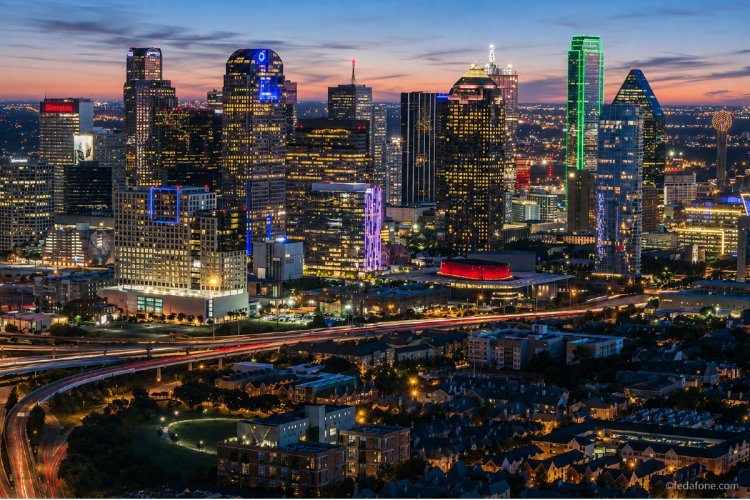
The Texas side of World Cup 2026 promises to feel as big and dramatic as possible and Dallas captures that perfectly.
The city is home to the legendary AT&T Stadium, one of the most technologically advanced sports arenas in the world, famous for its enormous suspended video screen. Everything here feels oversized: the stadiums, the highways, the distances, and even the atmosphere itself.
Dallas combines modern skyscrapers with classic Texas culture: barbecue, live music, cowboy heritage, and endless roads stretching toward the horizon. During the tournament, Dallas will likely become a major starting point for road trips across the southern United States, allowing fans to combine football with a classic American highway adventure through Texas and beyond.
Seattle
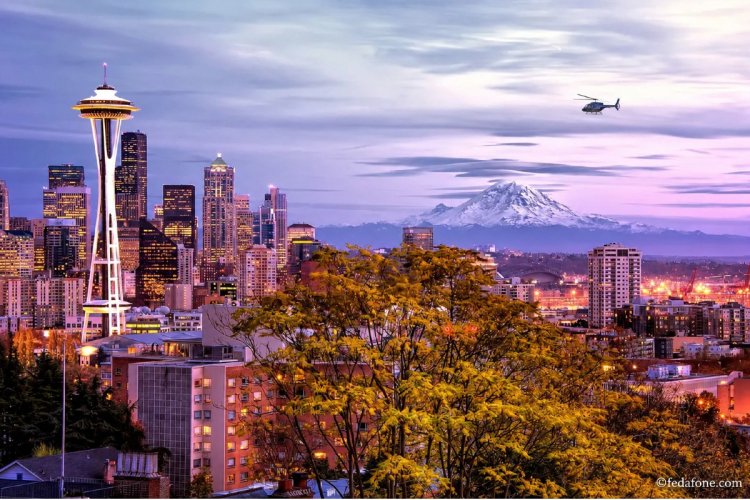
Seattle offers a completely different atmosphere from cities like Miami or Los Angeles. Instead of tropical beaches and Hollywood glamour, the city welcomes visitors with ocean air, misty mornings, pine forests, and dramatic Pacific Northwest scenery.
Seattle has long been considered one of America’s great football cities, with passionate supporters and an incredible stadium atmosphere. During the World Cup, it could easily become one of the coziest and most authentic fan destinations of the tournament.
One of Seattle’s biggest advantages is its location. The skyline rises beside the water, while mountains, lakes, and national parks begin just outside the city. It’s the perfect stop for travelers who want to combine football with nature and a slower-paced side of the United States.
Mexico
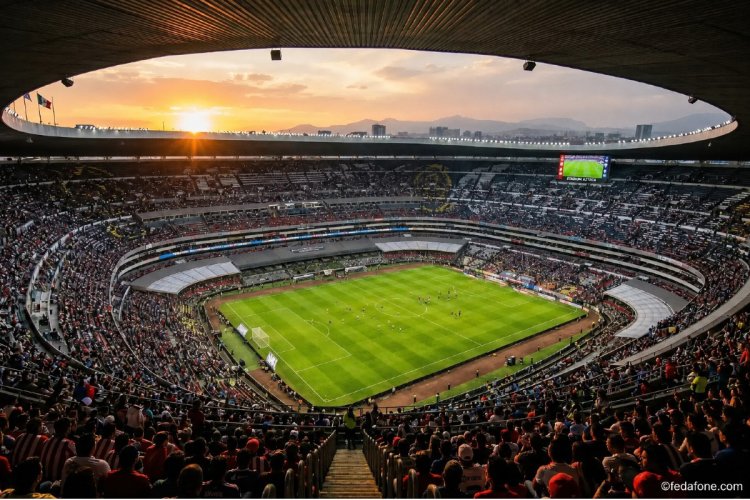
Mexico will become the first country in history to host World Cup matches for a third time and many fans already expect the Mexican side of the tournament to deliver the most unforgettable atmosphere.
Here, football isn’t just entertainment. It’s part of everyday life. Streets fill with music, bars overflow with supporters, and entire neighborhoods come alive on matchdays.
Mexico City
The star of Mexico’s World Cup will undoubtedly be the legendary Estadio Azteca, one of the most iconic football stadiums in the world.
This is where the 1970 and 1986 World Cup finals were played, where Pelé and Diego Maradona created football history. In 2026, the stadium will once again become one of the main symbols of the tournament.
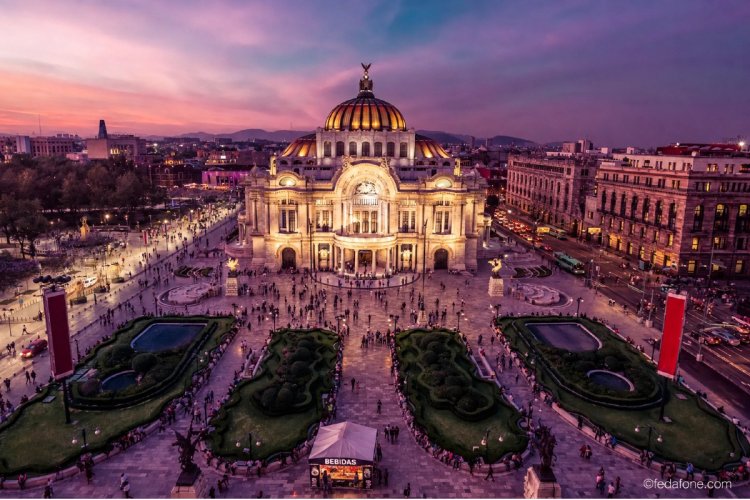
Mexico City itself is overwhelming in the best possible way: enormous, energetic, and constantly alive. Ancient Aztec ruins stand beside colonial architecture, modern skyscrapers, and endless street food markets. It’s loud, chaotic, colorful, and unforgettable - exactly the kind of city that leaves a lasting impression long after the trip ends.
Guadalajara
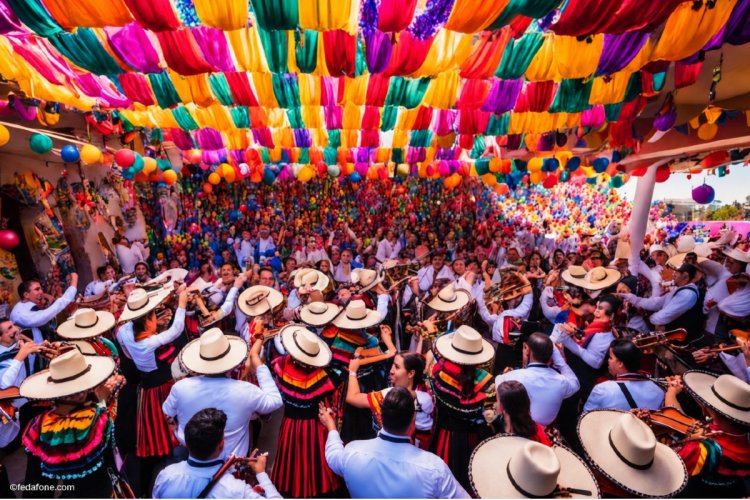
Guadalajara is often called the cultural heart of Mexico. Mariachi music, tequila, and many of the country’s most famous traditions all trace their roots back to this region.
Compared to Mexico City, Guadalajara feels calmer and more traditional, but it’s full of atmosphere: historic plazas, cathedrals, local markets, football bars, and live music everywhere you go. During the World Cup, the city will likely turn into one giant street celebration filled with fans, music, and classic Mexican energy.
Monterrey
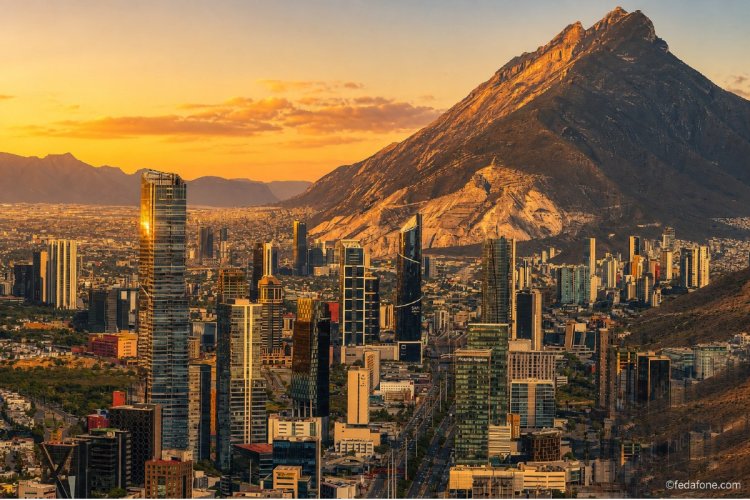
Monterrey is the most modern and business-oriented city in Mexico’s World Cup lineup. Surrounded by dramatic mountains, it combines sleek skyscrapers with rugged desert landscapes.
The city is known for its modern stadiums, strong football culture, and excellent infrastructure. It’s also considered one of Mexico’s top food destinations, especially for grilled meat and northern Mexican cuisine.
Canada
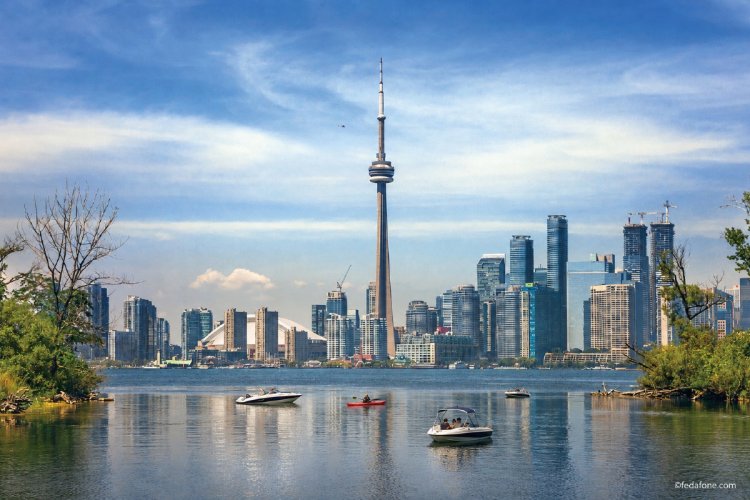
Canada will bring a calmer and more relaxed atmosphere to the tournament. Visitors can expect clean cities, modern infrastructure, friendly locals, and spectacular nature surrounding the urban centers.
Toronto
Toronto is Canada’s largest city and one of the most multicultural cities in the world. During the World Cup, fans from every continent are expected to gather here, turning the city into a massive international football festival.
Toronto is especially loved for its mix of modern skyscrapers, waterfront views, green parks, and laid-back atmosphere. And from here, it’s easy to visit Niagara Falls - one of North America’s most famous natural attractions.
Vancouver
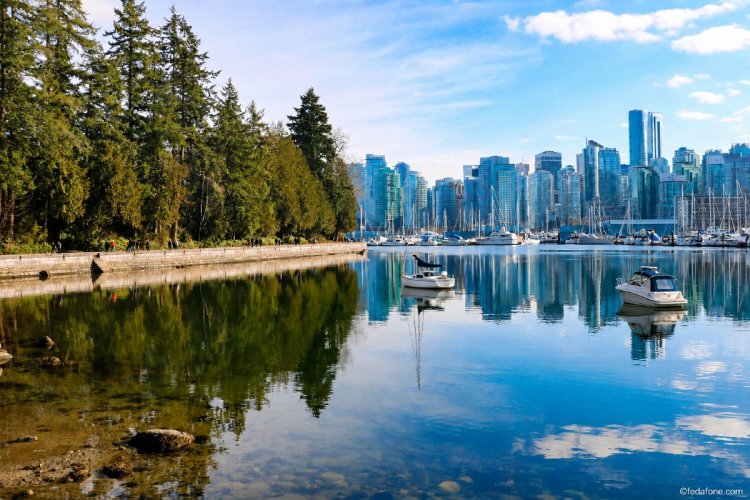
Vancouver is widely considered one of the most beautiful cities in North America.
Ocean views, glass skyscrapers, mountains, and forests create scenery that feels almost cinematic. During the World Cup, Vancouver will likely become one of the most photographed cities of the entire tournament.
It’s the perfect destination for travelers who want to combine football with nature, road trips, and a more relaxed West Coast atmosphere.
How to Travel Between World Cup 2026 Cities
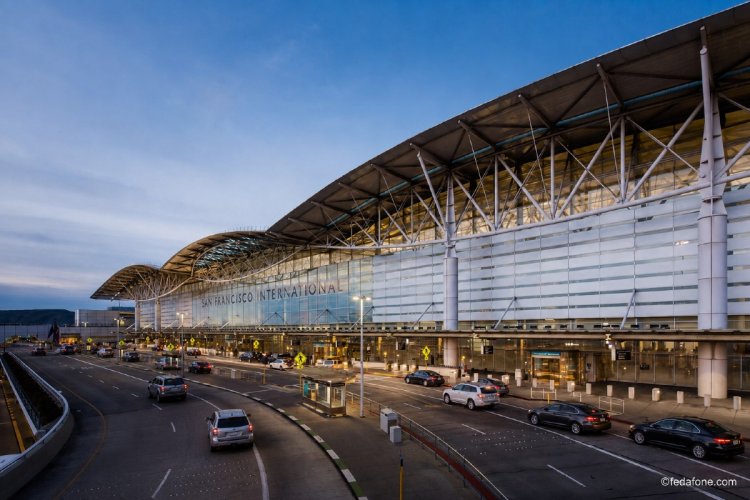
World Cup 2026 will be one of the most logistically challenging tournaments ever simply because of the enormous distances between host cities. Domestic flights will become an essential part of the experience for many fans.
For example, flying from New York to Los Angeles takes nearly six hours, while traveling between Vancouver and Mexico City already feels like a major international journey.
If you plan to attend multiple matches, you need to organise a lot in advance: domestic flights, accommodation, stadium transportation, mobile data (internet) and maps and navigation
Reliable internet will be especially important throughout the trip. Digital tickets, rideshare apps, hotel bookings, navigation, and communication with friends will all depend on having a stable connection.
That’s why many fans are already planning to use fedafone’s eSIM for World Cup 2026. It activates within minutes and works immediately after arrival, allowing travelers to stay connected across the United States, Canada, and Mexico without switching physical SIM cards.