Madeira — the Island of Eternal Spring
What to see and what to try in Madeira
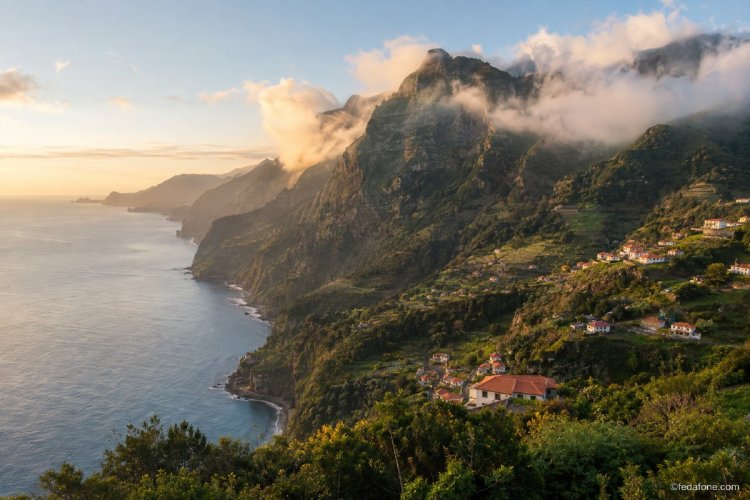
Madeira is far more than a piece of land in the Atlantic — it’s a true island of sensations, where every day contrasts with the previous one. In the morning, you can wander along ancient levadas shaded by laurel and eucalyptus trees; in the afternoon, climb mountain peaks that disappear into the clouds; and in the evening, watch the sunset with a glass of poncha and a plate of espada com banana. Here, tropical landscapes blend with rugged mountains, and the Portuguese spirit is present in every home, on every market stall, and in every sip of wine.
Getting around the island
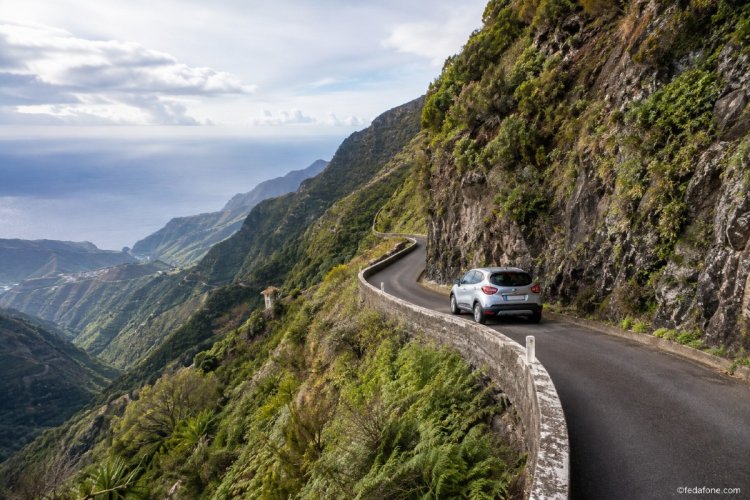
The best way to explore authentic Madeira is by renting a car. However, keep in mind that the roads are narrow, winding, and steep. Newer cars with manual transmission handle the terrain best — automatic gearboxes often struggle with the load. If you prefer not to drive, you can rely on excursions, taxis, or buses connecting major towns. In Funchal, the island’s capital, walking is the most convenient way to get around, as most sights are close to one another.
What to see
Funchal - the heart of Madeira
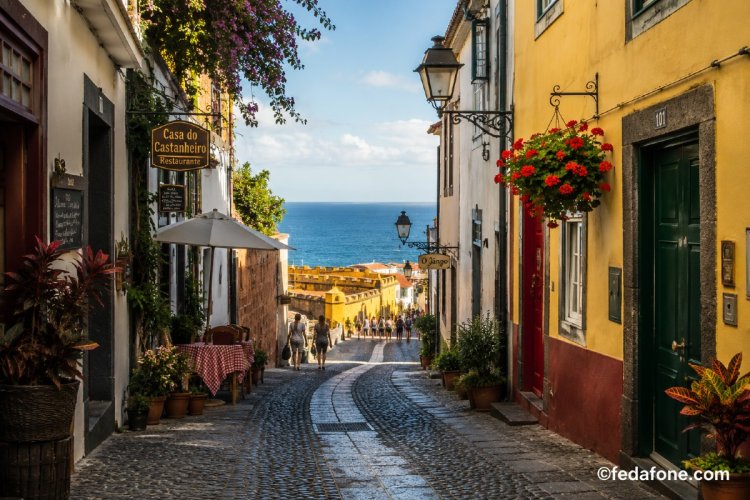
Start your journey with Funchal. Its Old Town is a maze of narrow streets decorated with brightly painted doors. Here you’ll find the Mercado dos Lavradores market, where you can try anona, dozens of varieties of passion fruit, and sugarcane that locals still enjoy chewing on.
Football fans will enjoy visiting the Cristiano Ronaldo Museum — Madeira’s most famous native son. Culture lovers can explore the Madeira Wine Museum dedicated to the island’s iconic fortified wine. On the coast stands the bright-yellow São Tiago Fortress, now home to the Museum of Contemporary Art, with panoramic views over the Atlantic.
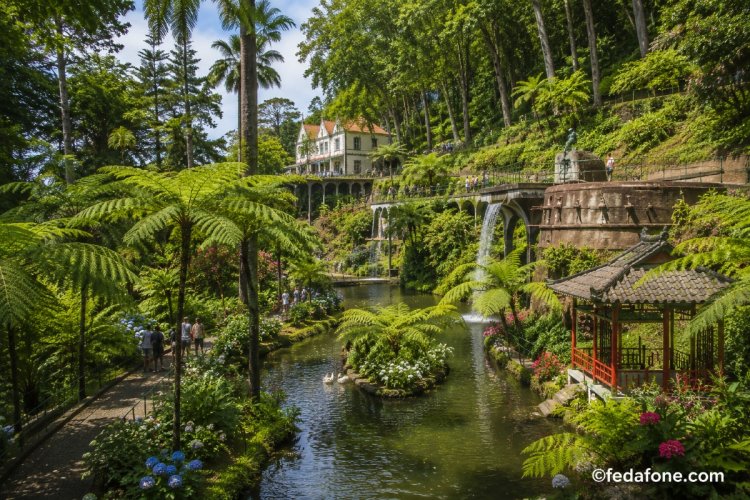
For leisurely strolls, head to the Botanical Garden or the eclectic Monte Palace Garden (Quinta do Prazer) in Monte. Its collection ranges from pagodas and Buddha statues to European sculptures and castles inspired by German Romanticism.
Nearby you’ll find the Church of Our Lady of Monte — and right in front of it begins one of Funchal’s most unusual attractions: the traditional wicker toboggan ride, which has carried passengers down the steep streets since the 19th century.
Other towns and villages
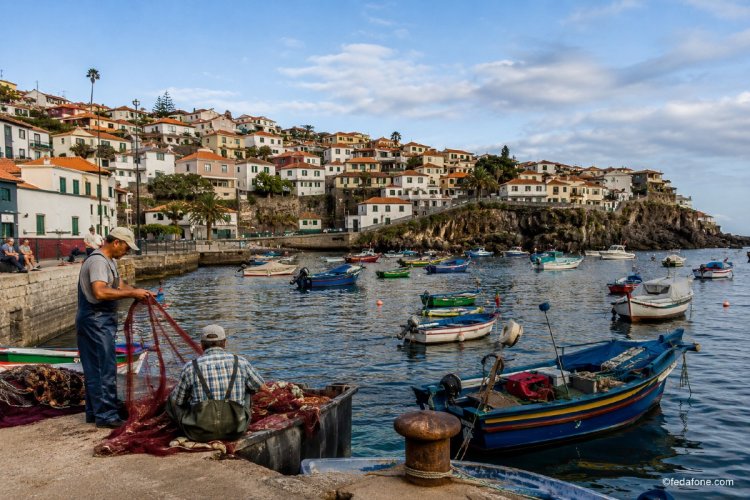
From Funchal, head to Câmara de Lobos — a fishing village where life follows its usual rhythm: nets drying on the shore, black scabbard fish sizzling in taverns, and cider served everywhere. Winston Churchill once stayed here, writing and painting the harbor that still looks much the same.
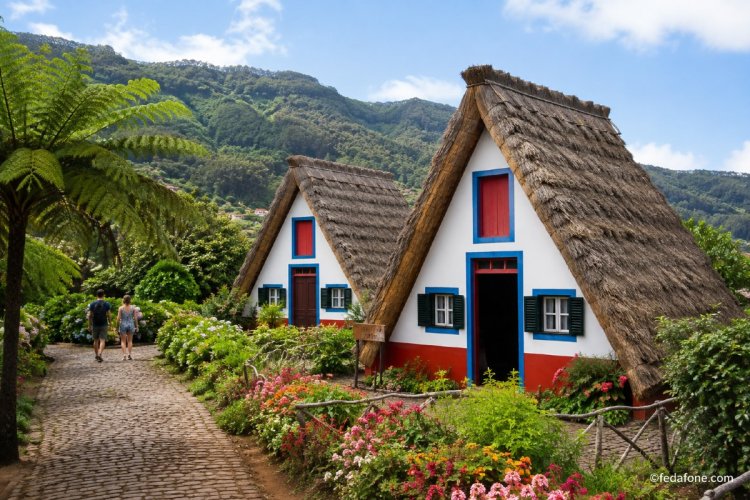
In Santana, you can see the iconic triangular thatched houses, and in the Queimadas Forest Park — the whimsical “hobbit houses” and the starting points of several levada routes.
On the coast of Garajau stands a statue of Christ — a smaller replica of the famous monument in Rio de Janeiro. It overlooks the ocean, and a cable car leads down to the secluded beach below.
To the north lies Arco de São Jorge, a picturesque village surrounded by gardens and vineyards, where tropical flowers bloom year-round and fountains bring a constant soundtrack to the streets.
Nature and Hiking routes
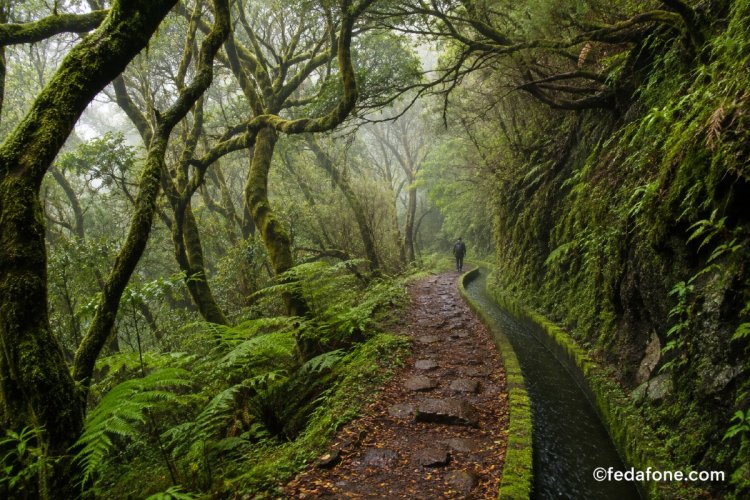
Madeira is a paradise for hikers. Hundreds of kilometers of ancient levada paths stretch across cliffs and valleys, turning an ordinary walk into an unforgettable adventure.
Popular routes include:
- Levada de Fanal — leading into a misty forest filled with twisted ancient laurel trees
- Levada do Rei — passing waterfalls and eucalyptus groves, ending in a stunning valley
The island’s greatest natural treasure is the Laurisilva Forest, a UNESCO World Heritage site. This dense, humid, prehistoric woodland of ferns and mosses looks as if it belongs to another era — and hasn’t changed in thousands of years.
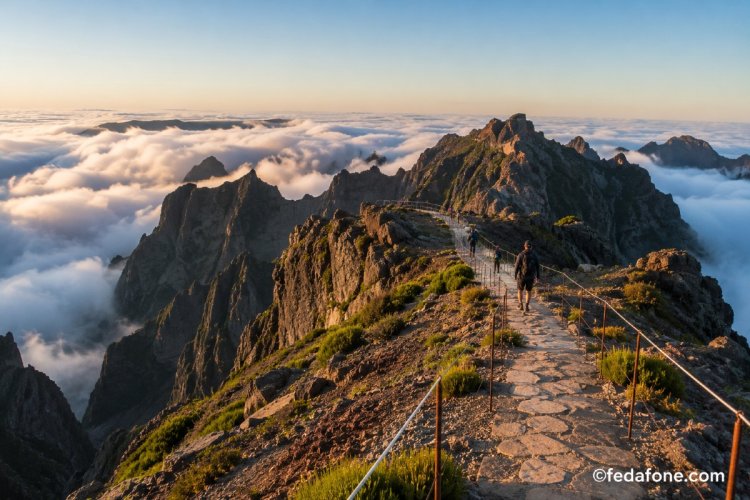
Madeira’s coastline is just as dramatic: at São Jorge, sheer cliffs dive straight into the ocean, and at Cabo Girão — one of Europe’s highest sea cliffs (580 m) — a glass skywalk challenges even the bravest visitors.
Hiking enthusiasts should try the route between Pico Ruivo and Pico do Arieiro, considered one of the most scenic trails in Europe. It winds along ridges above the clouds and through tunnels carved into the rock.
To the east lies the Ponta de São Lourenço peninsula — a wild, windswept landscape of red rocks and ocean vistas. Near Ribeira da Janela, volcanic sea stacks rise dramatically from the water — especially magical at sunset.
Ocean and Diving
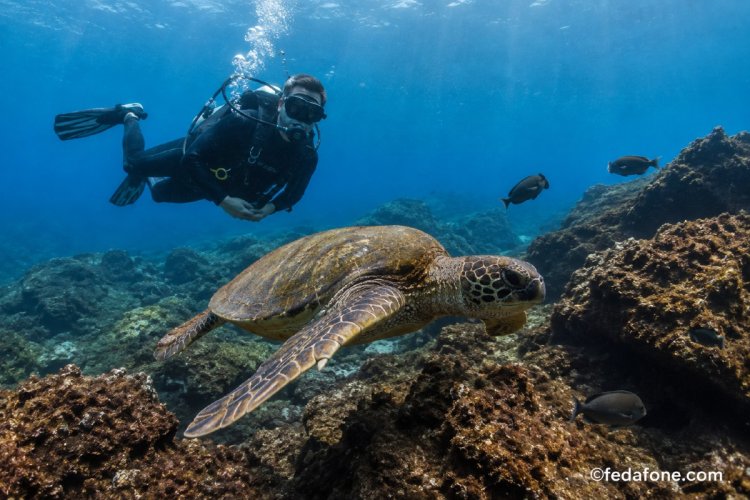
The island is surrounded by crystal-clear Atlantic waters — perfect for diving and snorkeling. Here you can spot dolphins, whales, and sea turtles. Sperm whales are most common in spring, while blue whales pass by in summer.
In the Garajau Marine Reserve, well-marked diving routes allow you to encounter groupers, moray eels, parrotfish, mola mola, and many more species.
What to eat
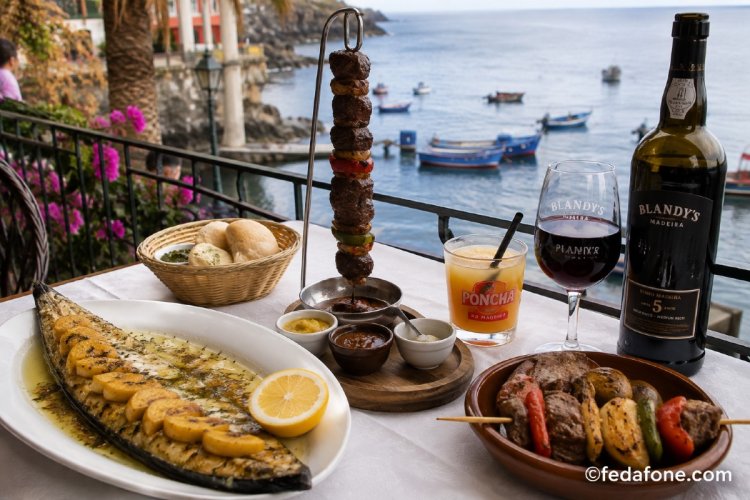
Begin your culinary journey at Funchal’s market, where you’ll find cherimoya, countless varieties of passion fruit, and fresh sugarcane.
The island’s signature dish is black scabbard fish (espada) served with fried banana — an unusual combination that has become a Madeira classic. Meat lovers should try espetada, skewered beef grilled over coals, or picado, fried meat with potatoes and spices served on a shared platter.
From local drinks, Madeira is famous for its fortified wine with a caramel-like flavor.
Try also the iconic cocktails:
- Poncha — rum mixed with honey and lemon
- Nikita — a sweet blend of ice cream, sugar, and wine, invented in Câmara de Lobos
For dessert, order bolo de mel, a honey cake with a 15th-century history made from sugarcane molasses, or delicate queijadas, small cheese tartlets.
Madeira is a place where everything blends together: wild nature and charming towns, ocean waves and mountain silence, Portuguese tradition and tropical ease. It’s an island you’ll want to return to again and again — discovering something new each time.
And to travel the island with complete peace of mind, it’s best to take care of mobile internet in advance. Madeira may be small, but many routes pass through mountains where regular roaming is unstable and expensive. That’s why more and more travelers choose fedafone eSIM — you can activate it in minutes before your flight, and it works the moment you land. It’s especially convenient when renting a car, navigating levada trails, using GPS in the mountains, or checking cable car and bus schedules.